[Subject] × [Style] × [Composition] × [Medium]

Subject: Who to depict, defining the core subject of the image.
Style: What visual approach to use, defining the overall visual language.
Composition: How to organize the frame, defining the arrangement of subject, space, text, and visual center.
Medium: What medium to present in, defining the material, texture, and final manifestation.

Four modules addressing distinct elements:
Who × How to express × How to organize × How to produce

——————————

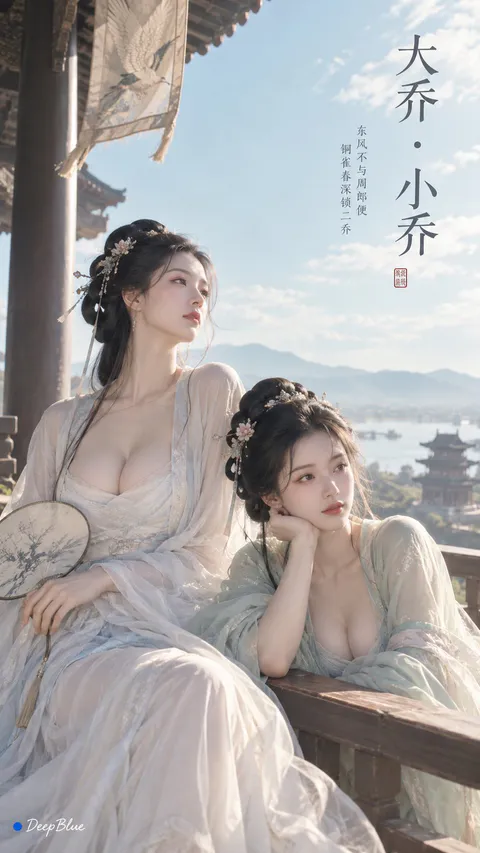
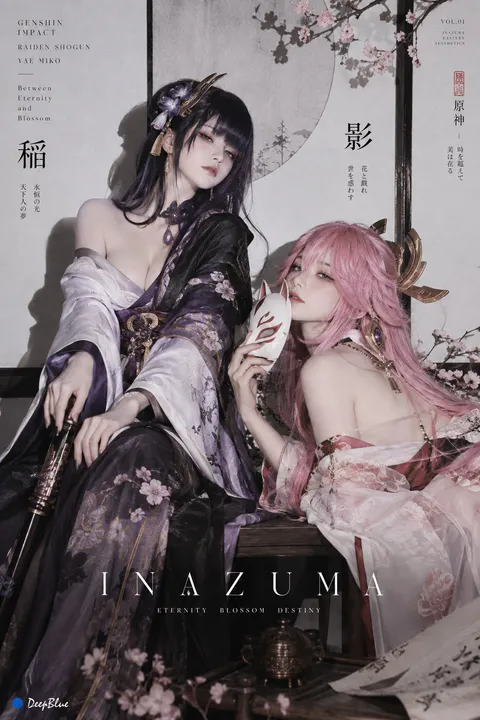
Prompts for the 4 images below:

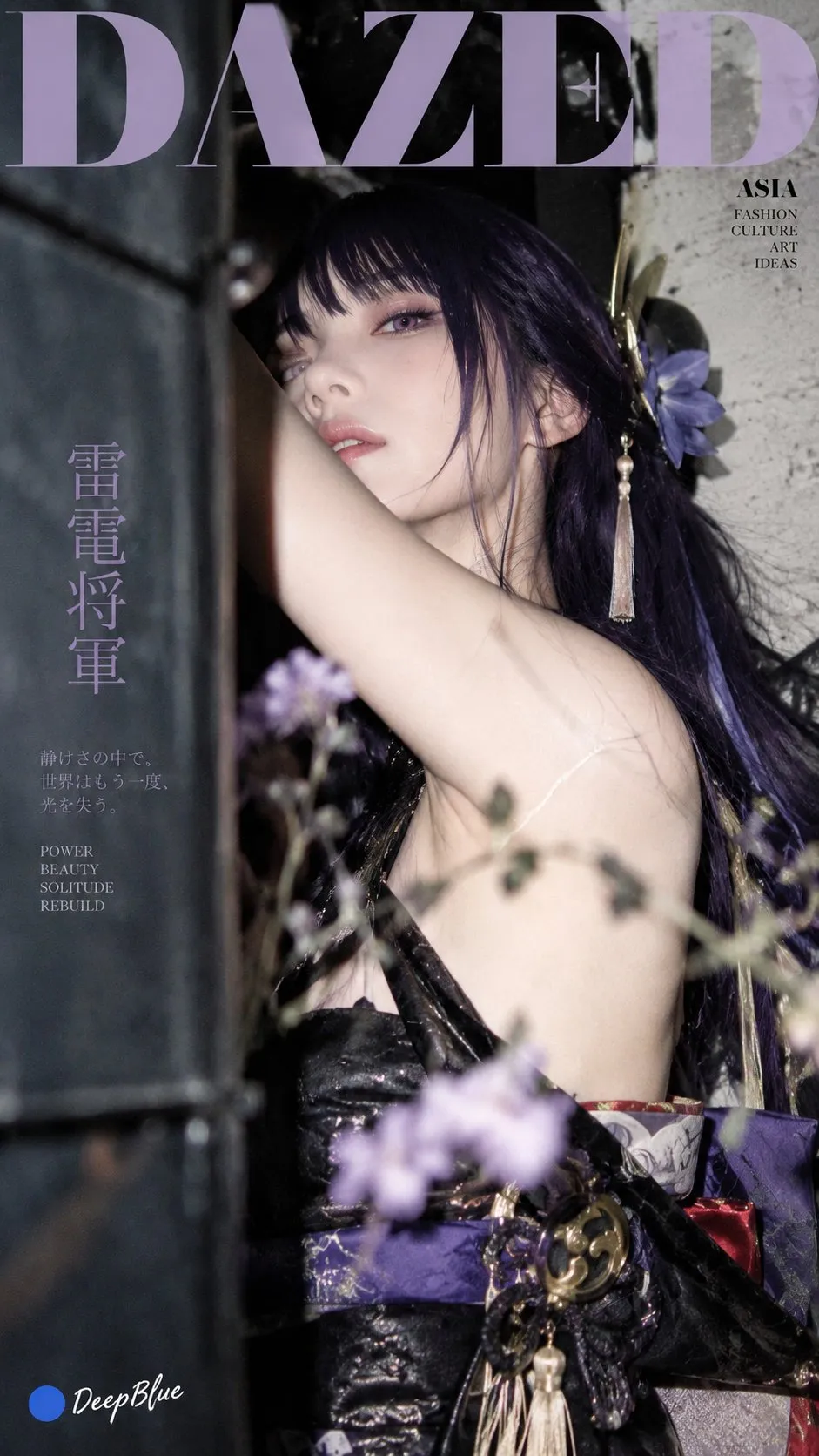
Image 1: Raiden Shogun × Avant-garde Fashion Magazine × Partial Occlusion Composition × CCD Direct Flash

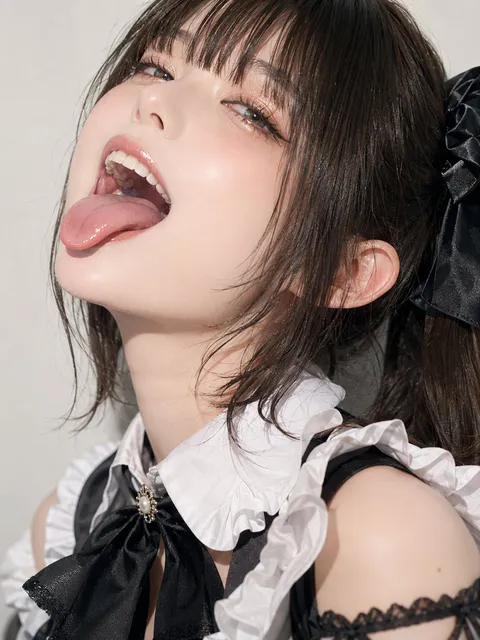
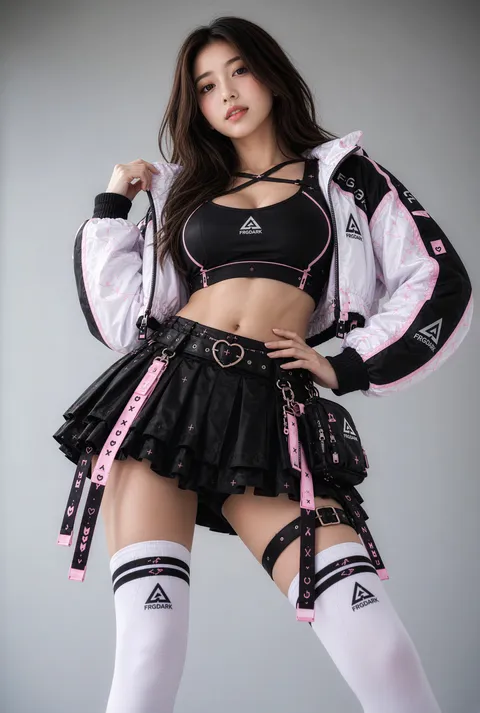
Image 2: Yae Miko × Swiss International Typographic Style × Modular Grid Composition × Intaglio Printing

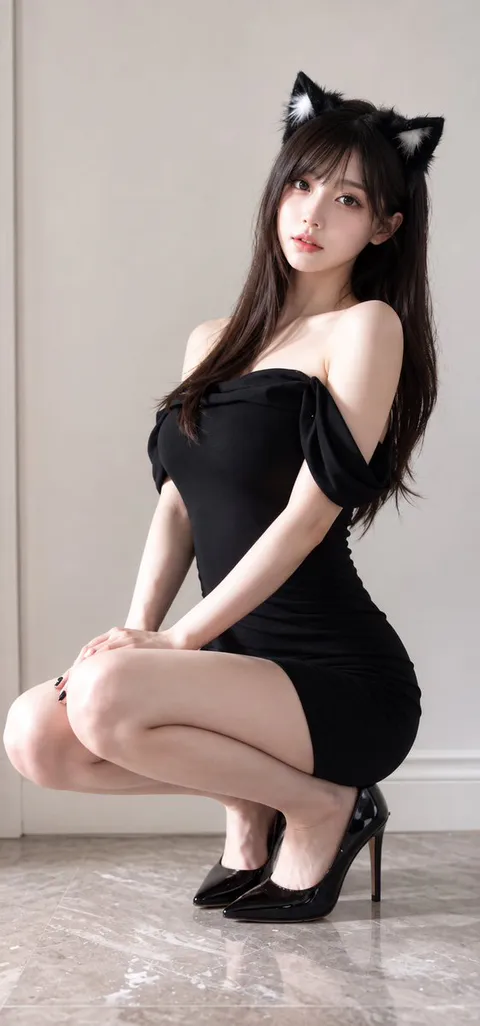
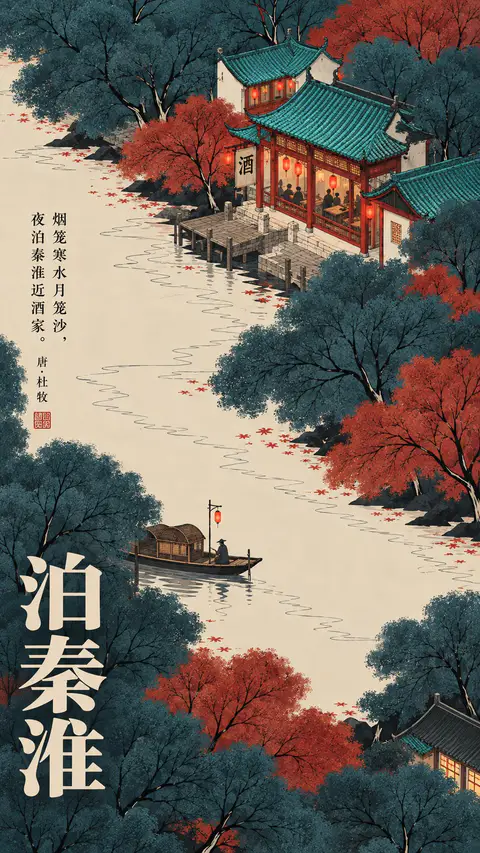
Image 3: Kamisato Ayaka × Traditional Japanese Ukiyo-e × Flattened Character Composition × Woodblock Color Printing

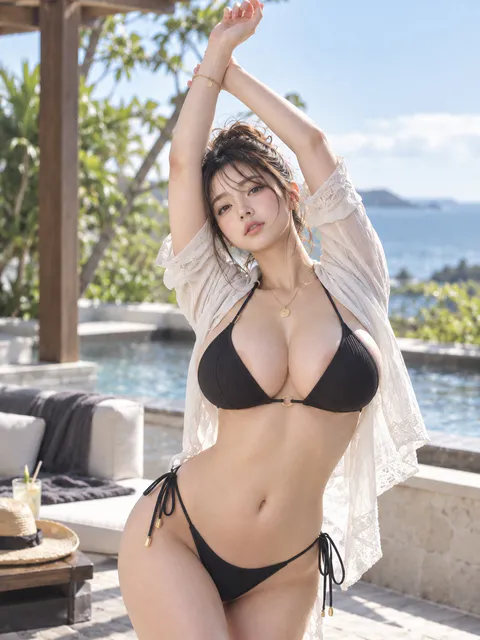
Image 4: Ganyu × Song Dynasty Bird-and-Flower Painting × Floral Branch Framing Composition × Color on Silk
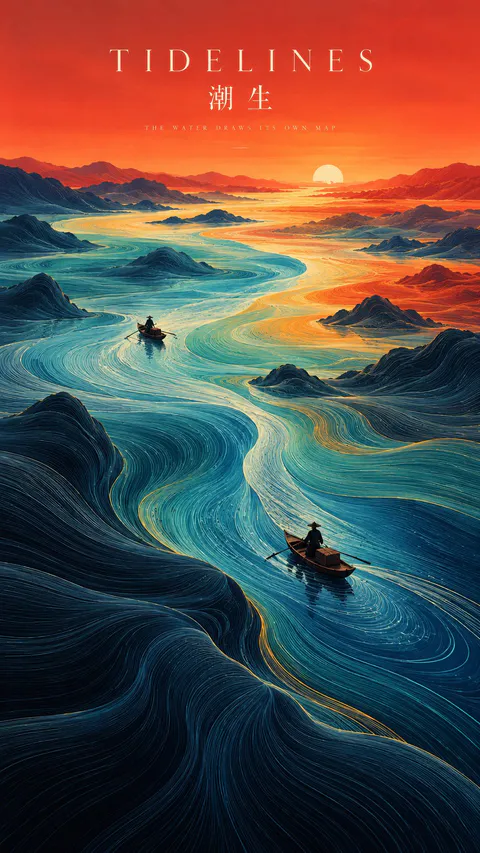
【Title】[TITLE]
【Subtitle】[SUBTITLE]
【Landscape】[canyon / river / cloud mountains / glacier / desert / coast]
【Main Palette】[PRIMARY COLORS]
【Scale Anchor】[tiny traveler / canoe / boat / small building]
【Visual Destination】[moon / distant light / horizon / mountain pass]
【Aspect Ratio】9:16

Create a refined vertical art poster that transforms a natural landscape into a flowing topographic world.

Build the terrain from hundreds of long, smooth, continuous contour lines that follow the shape, depth, and movement of the land. The lines should feel like a fusion of topographic maps, silk threads, and abstract Chinese landscape painting — directional, elegant, and highly organized rather than random decorative waves.

Use one strong visual path, such as a river, valley, ridge, cloud road, or negative-space corridor, to guide the eye from foreground to distance.

Keep the natural environment monumental and place only one or two extremely small human figures, boats, or architectural elements as scale anchors.

Use clear spatial hierarchy:
dense flowing lines in the main terrain,
calmer negative space around the visual path,
simpler and softer details in the distance.

Control the palette with 2–4 dominant colors rather than evenly distributed rainbow tones. Use large, clean color fields and let color changes reinforce depth and movement.

Add minimal editorial typography:
[TITLE]
[SUBTITLE]
[SHORT POETIC LINE]

Typography should feel like a contemporary exhibition poster or art-book cover — elegant, widely spaced, restrained, and secondary to the landscape.

The final image should feel poetic, monumental, calm, and highly designed, combining Eastern landscape aesthetics, contour-line abstraction, negative space, and modern editorial composition.