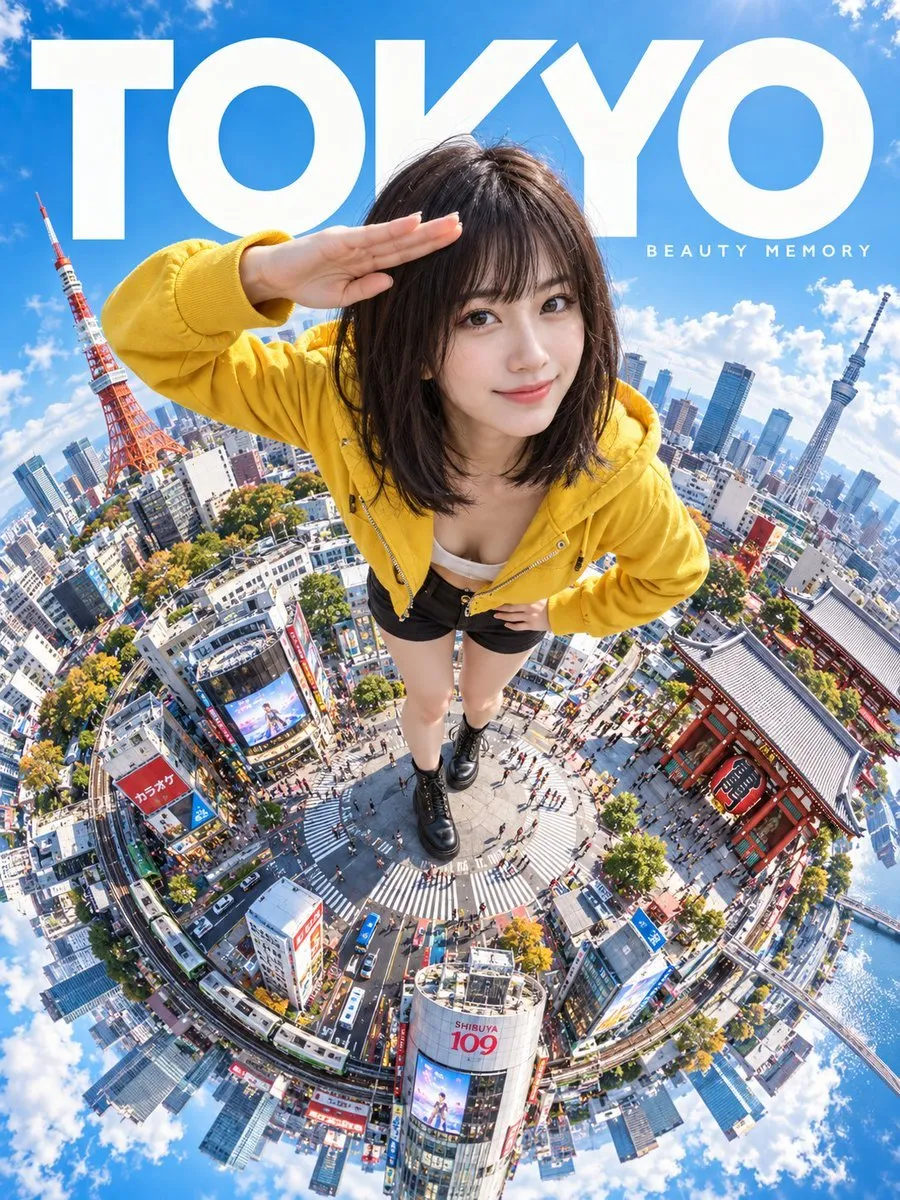
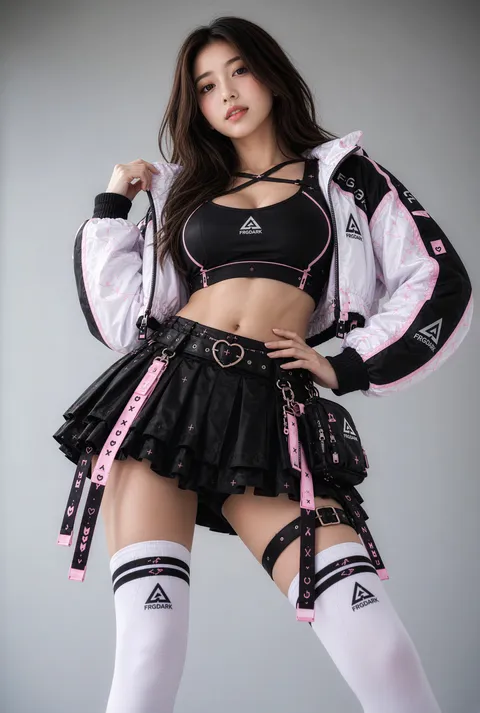
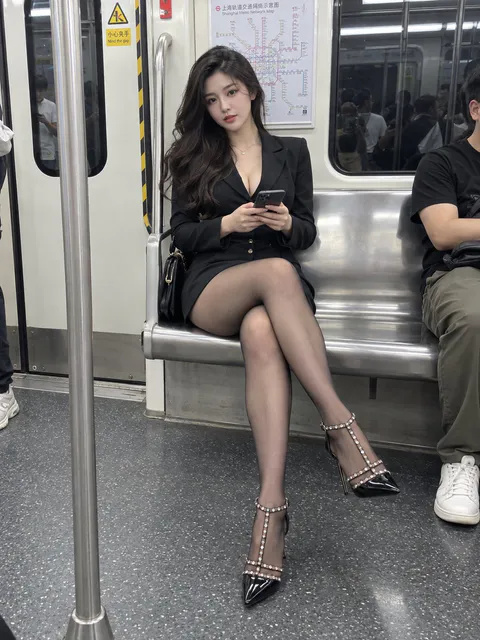
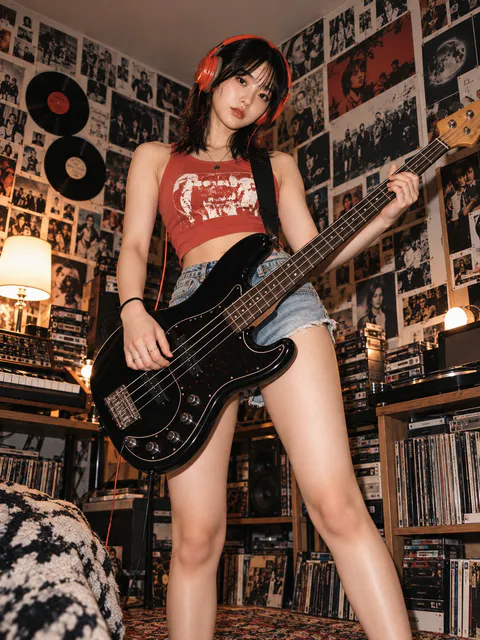
请基于我上传的参考图进行真人照片改编。俯瞰全景摄影图中人物,脸怼镜头微笑,只手敬礼一只手插腰,脚下周围是【旧金山城市地标建筑】,超广角,全景相机拍摄,球形广角画面

画面比例:
Vertical Poster
3:4

整体布局:
## 上部 40%
巨大留白天空 / 纯色背景区域

加入:
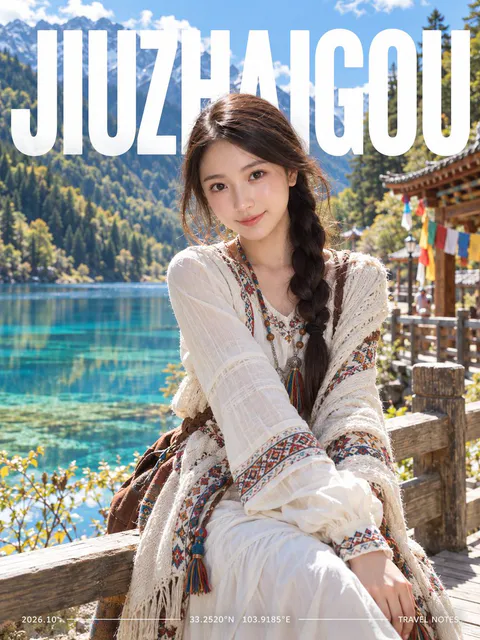
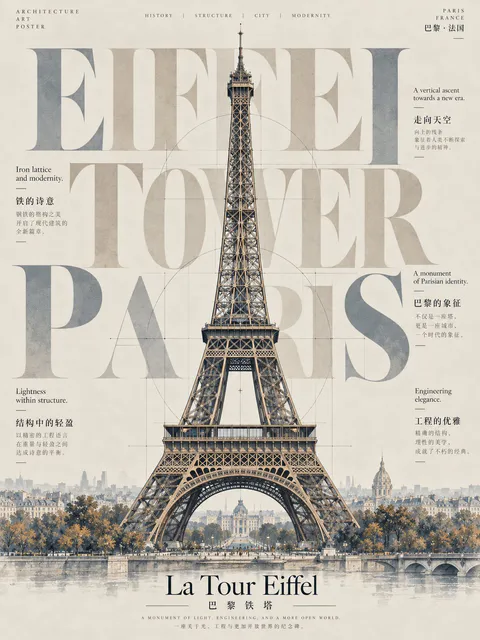
人物主体遮挡的主标题文字

例如:
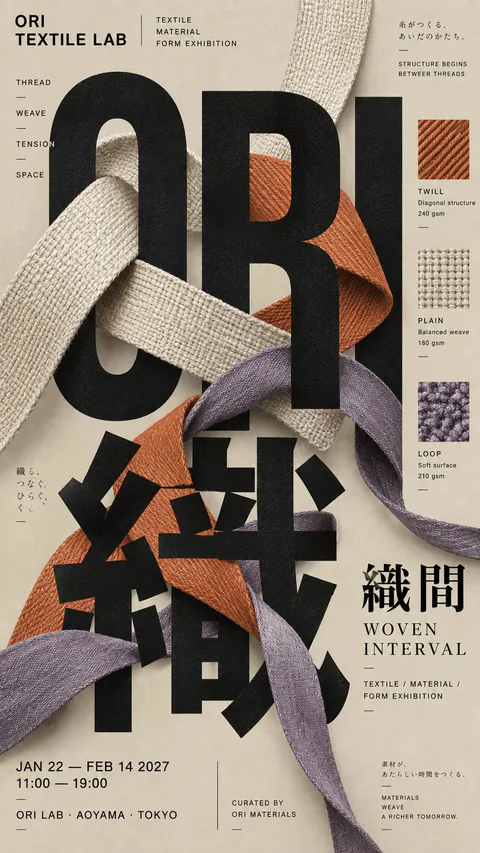
PARIS/TOKYO/HOKKAIDO/KYOTO/BEAUTY MEMORY

字体:
large clean sans serif
modern Japanese graphic design
Please adapt a real-person photo based on my uploaded reference image. High-angle top-down panoramic photography of the person, face close to camera smiling, one hand saluting and the other on hip. Beneath and surrounding their feet are [San Francisco city landmarks], ultra wide angle, panoramic camera shot, spherical wide-angle framing.

Aspect Ratio:
Vertical Poster
3:4

Overall Layout:
## Top 40%
Large negative space sky / solid color background area

Include:
Main title typography partially occluded by the subject

For example:
PARIS/TOKYO/HOKKAIDO/KYOTO/BEAUTY MEMORY

Typography:
large clean sans serif
modern Japanese graphic design
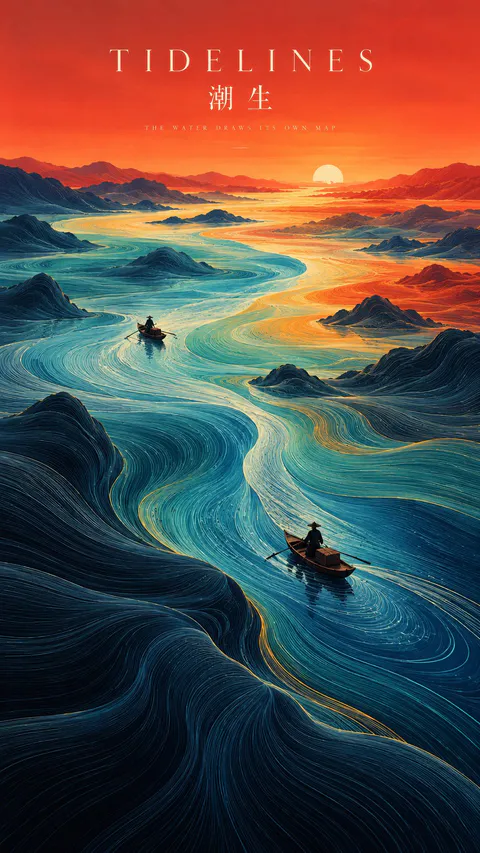
【Title】[TITLE]
【Subtitle】[SUBTITLE]
【Landscape】[canyon / river / cloud mountains / glacier / desert / coast]
【Main Palette】[PRIMARY COLORS]
【Scale Anchor】[tiny traveler / canoe / boat / small building]
【Visual Destination】[moon / distant light / horizon / mountain pass]
【Aspect Ratio】9:16

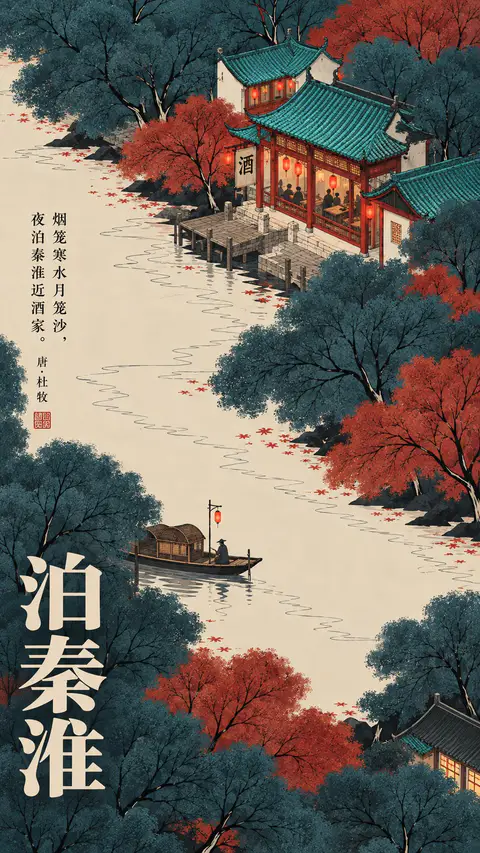
Create a refined vertical art poster that transforms a natural landscape into a flowing topographic world.

Build the terrain from hundreds of long, smooth, continuous contour lines that follow the shape, depth, and movement of the land. The lines should feel like a fusion of topographic maps, silk threads, and abstract Chinese landscape painting — directional, elegant, and highly organized rather than random decorative waves.

Use one strong visual path, such as a river, valley, ridge, cloud road, or negative-space corridor, to guide the eye from foreground to distance.

Keep the natural environment monumental and place only one or two extremely small human figures, boats, or architectural elements as scale anchors.

Use clear spatial hierarchy:
dense flowing lines in the main terrain,
calmer negative space around the visual path,
simpler and softer details in the distance.

Control the palette with 2–4 dominant colors rather than evenly distributed rainbow tones. Use large, clean color fields and let color changes reinforce depth and movement.

Add minimal editorial typography:
[TITLE]
[SUBTITLE]
[SHORT POETIC LINE]

Typography should feel like a contemporary exhibition poster or art-book cover — elegant, widely spaced, restrained, and secondary to the landscape.

The final image should feel poetic, monumental, calm, and highly designed, combining Eastern landscape aesthetics, contour-line abstraction, negative space, and modern editorial composition.