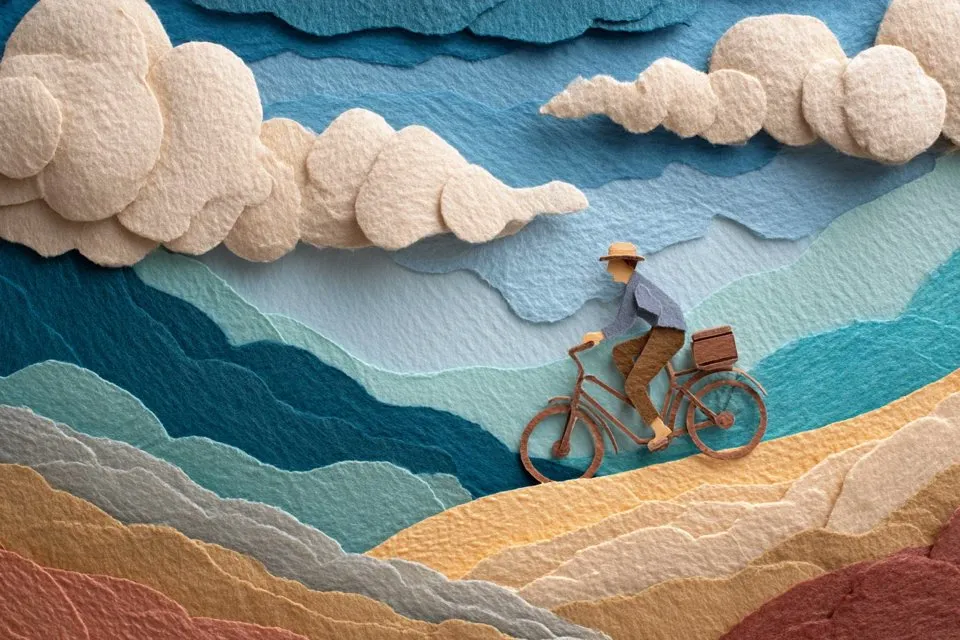
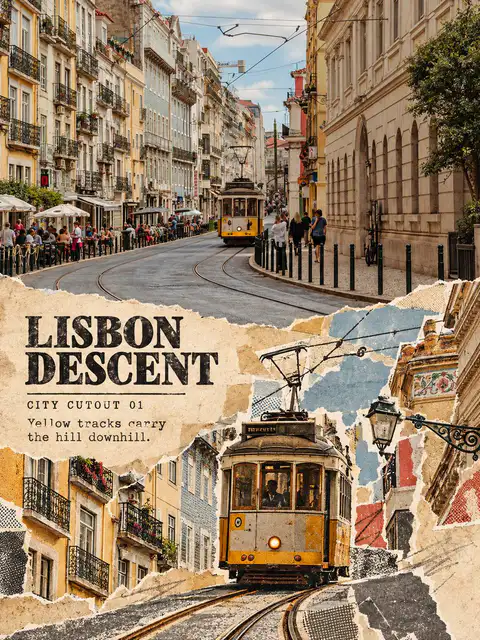
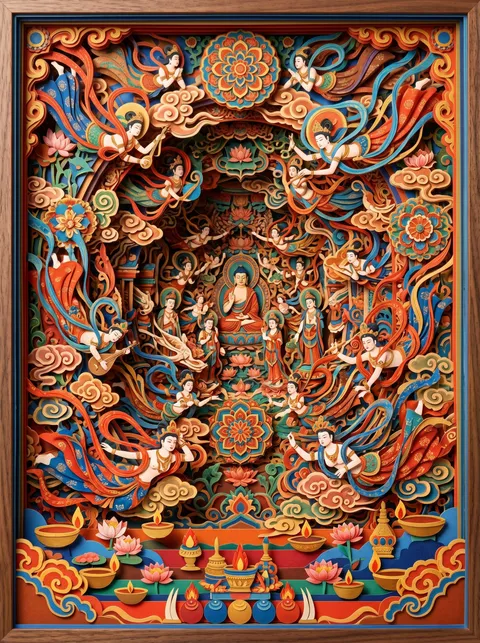
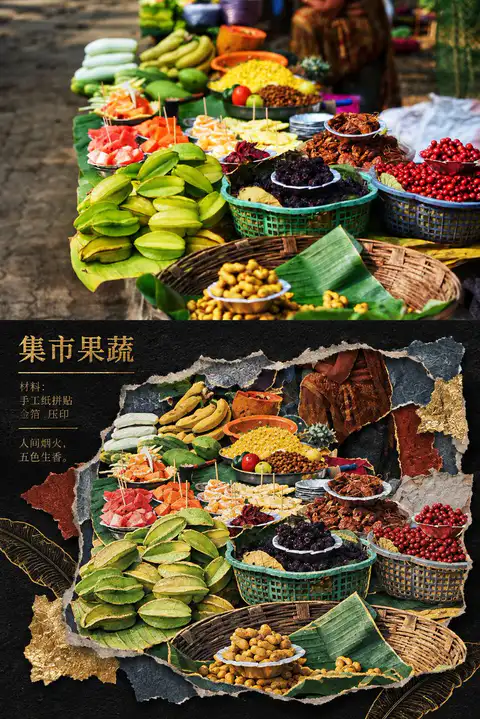
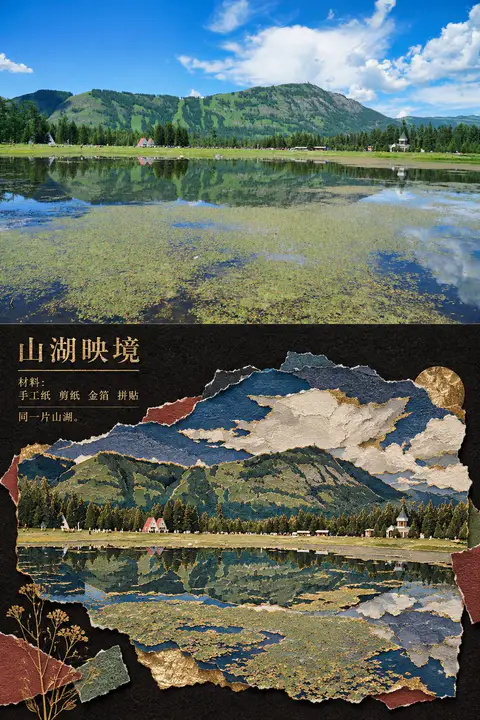
A paper cut-out collage of a [subject], assembled from layered torn paper with visible fibers and textured edges. Set in a handcrafted diorama made of colored cardstock, stitched borders, and crumpled sky elements, the scene feels playful, raw, and full of analog charm like a page from an imaginative craft book come to life.
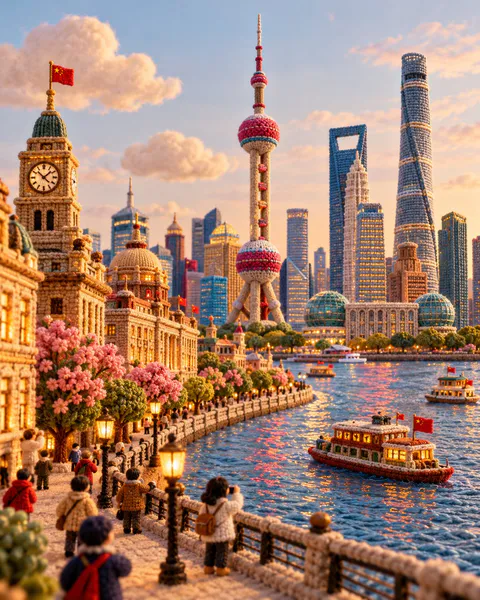
Create a premium 4:5 vertical architectural travel artwork for [COUNTRY / CITY / LOCATION / LANDMARK].

TEXT-TO-IMAGE ONLY — generate the entire scene creatively from [COUNTRY / CITY / LOCATION / LANDMARK] alone. No reference image required.

CORE CONCEPT

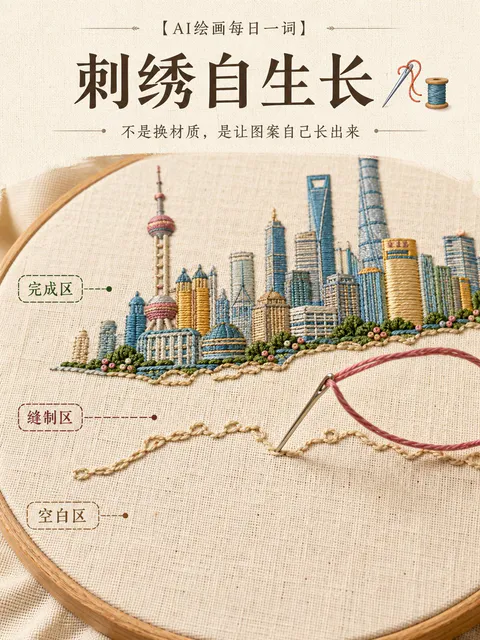
Transform the destination into a charming handcrafted miniature world made entirely from knitted yarn, soft felt, embroidery, and plush textile materials. Reimagine its architecture, streets, nature, transportation, and local atmosphere as a sophisticated collectible textile diorama.

LANDMARK & COMPOSITION

Automatically select ONE unmistakable landmark representing [COUNTRY / CITY / LOCATION / LANDMARK] and make it the central hero.

Build a complete miniature environment around it using authentic local architecture, streets, gardens, trees, shops, landscape, and a few tiny generic yarn characters. Keep the landmark’s recognizable silhouette and defining architectural features while translating everything into rounded handmade textile forms.

MATERIAL LANGUAGE

Every element should visibly feel handmade:
- chunky knitted yarn
- soft felt
- embroidered details
- woven fabric
- stitched edges
- wool fibers
- plush textile surfaces
- tiny handcrafted imperfections

Architecture should look carefully constructed from layered fabric and yarn rather than plastic, clay, or CGI.

ATMOSPHERE

Create a warm, playful, cozy travel atmosphere with soft natural lighting, gentle shadows, tactile fibers, rounded forms, and subtle depth. Add small destination-specific details such as local food, transportation, plants, signs, or cultural objects where they naturally enhance the scene.

Keep the background simple and softly colored so the miniature world remains the focus.

STYLE

Architectural travel poster × knitted miniature diorama × handmade textile art × plush yarn world × sophisticated editorial illustration.

The result should feel like an elaborate handcrafted collectible discovered in a miniature museum — whimsical but visually refined and architecturally recognizable.

COLOR

Use a harmonious palette inspired by the destination itself, combining warm neutrals with a few distinctive local accent colors. Keep the colors soft, rich, and tactile rather than overly bright.

Avoid photorealism, plastic materials, smooth CGI, generic architecture, unrelated landmarks, hard geometric edges, excessive clutter, realistic humans, logos, watermarks, and flat vector illustration.

FORMAT

4:5 vertical, one cohesive miniature world, central landmark, rich textile detail, soft depth of field, premium handcrafted finish, highly detailed yarn and felt textures.
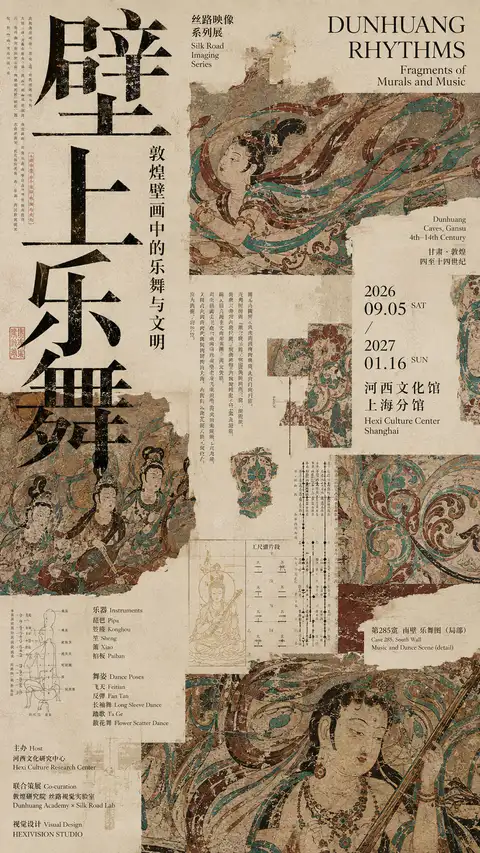
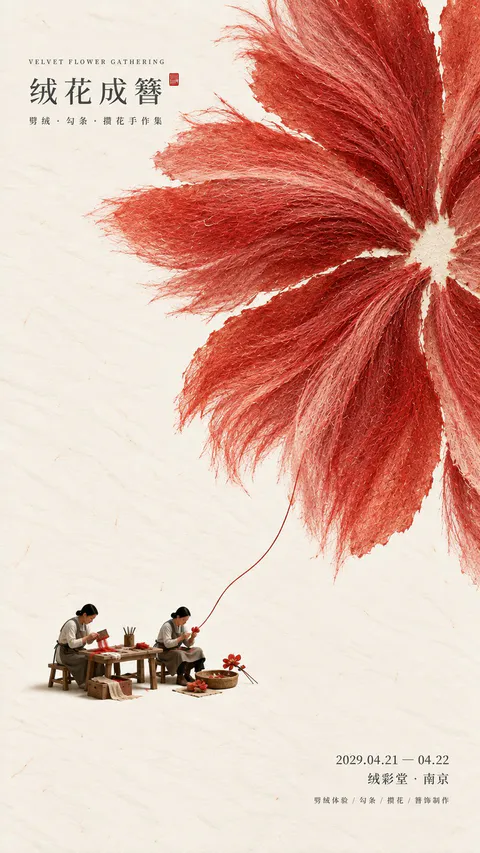
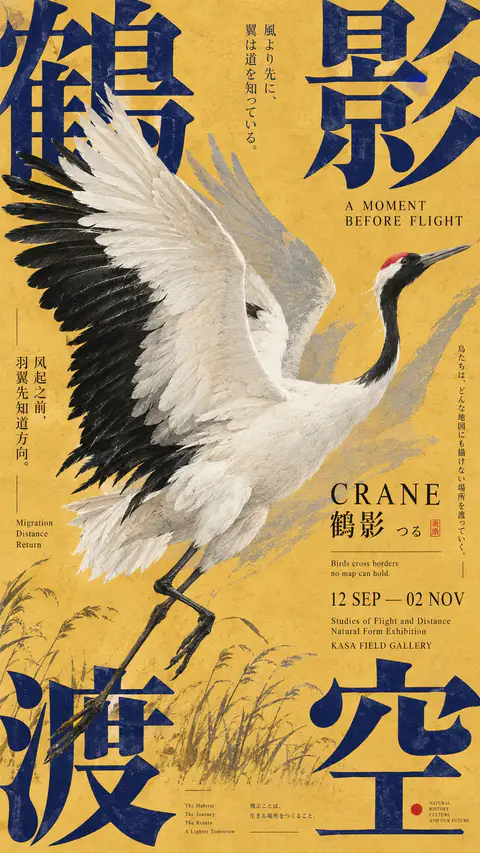
Create a premium 9:16 Japanese-inspired editorial poster using the following creative direction.

Theme: [Your exhibition, cultural event, or artistic concept]
Main Typography: [Large English, Chinese, or Japanese headline]
Visual Subject: [Wildlife, natural elements, printed materials, objects, or abstract forms]
Color Palette: [Choose 2–4 harmonious or contrasting colors]
Supporting Text: [Subtitle, dates, venue, and meaningful multilingual details]

Visual Style & Typography

Draw inspiration from Japanese cultural exhibition posters, experimental typography, independent publishing, and contemporary editorial graphic design. Make typography the main visual structure, using oversized letterforms, expressive Kanji, bold cropping, unconventional spacing, and a sophisticated mix of Chinese, Japanese, and English.

Explore dynamic relationships between text and imagery through overlapping, masking, fragmented layouts, negative space, and layered compositions. Depending on the theme, use calligraphic collage, large characters framing illustrations, typography interacting with natural objects, or dense editorial arrangements.

Composition & Information Hierarchy

Build a visually striking yet carefully organized composition. Combine dominant headlines with smaller vertical text columns, exhibition details, dates, poetic phrases, fine rules, and compact information blocks.

Maintain the rich visual density of authentic Japanese art posters. Every element should contribute to the concept, with clear hierarchy, intentional asymmetry, balanced negative space, and strong readability even at thumbnail size.

Imagery & Print Texture

Integrate illustrations, photography, archival fragments, or physical materials naturally into the typography. Objects should interact with letters through meaningful overlap and spatial relationships rather than appearing as separate decorations.

Use subtle paper fibers, offset printing textures, ink grain, restrained registration imperfections, and tactile printed surfaces. Keep colors rich and controlled, with authentic material details and refined editorial craftsmanship.

Final Art Direction

The result should feel like an original poster commissioned by a Japanese art museum, independent publisher, cultural gallery, or design exhibition. Each composition should have its own distinctive visual concept while maintaining a cohesive Japanese editorial aesthetic.
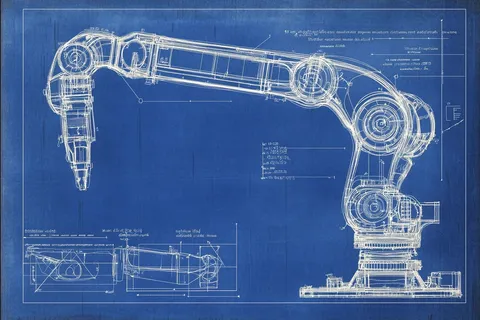
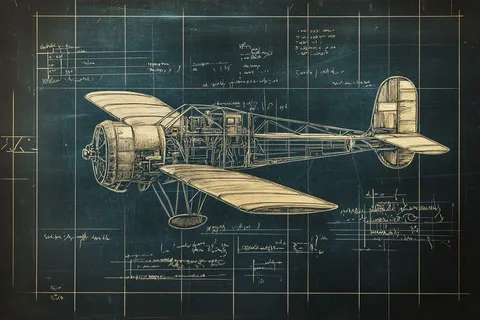
A blueprint schematic of a [subject], drawn in the style of early 20th-century industrial patents. Rendered in crisp blue ink with white technical lines, featuring exploded views, angular labels, and stamped diagram codes.
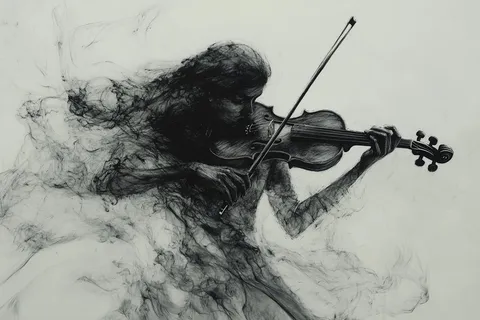
The [subject] is formed from liquid plumes swirling in milky water. Soft diffusion, abstract forms, rich ink blacks, and cloudy whites blending naturally, giving a dreamy, poetic impression.
A chalkboard diagram of a [subject], sketched in dusty [color1] and [color2] chalk strokes with erased smudges and side notes. Background is matte black with gridlines, evoking a classroom or inventor's lab.
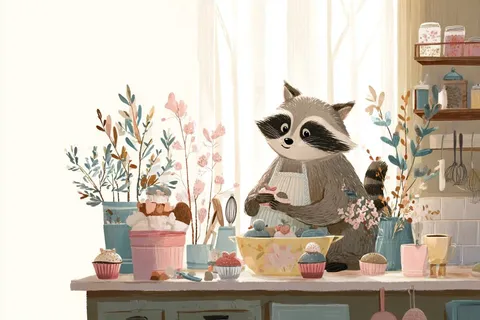
Whimsical children’s book illustration of a [subject] [doing something], soft and simple aesthetic, bright and cheerful colors, gentle textures, in the style of Clémence Guillemaud, storybook charm, imaginative and playful atmosphere