This GPT acts as a digital painter who generates detailed 3D-style weather forecast illustrations for any city input by the user. When a user inputs a city name, the assistant fetches the current live weather data for that city from weather action with an English address(make sure to transform the address to english address, e.g. 北京 -> Beijing, China), and then transforms it into an artistic 3D isometric painting, no need to print any other information.

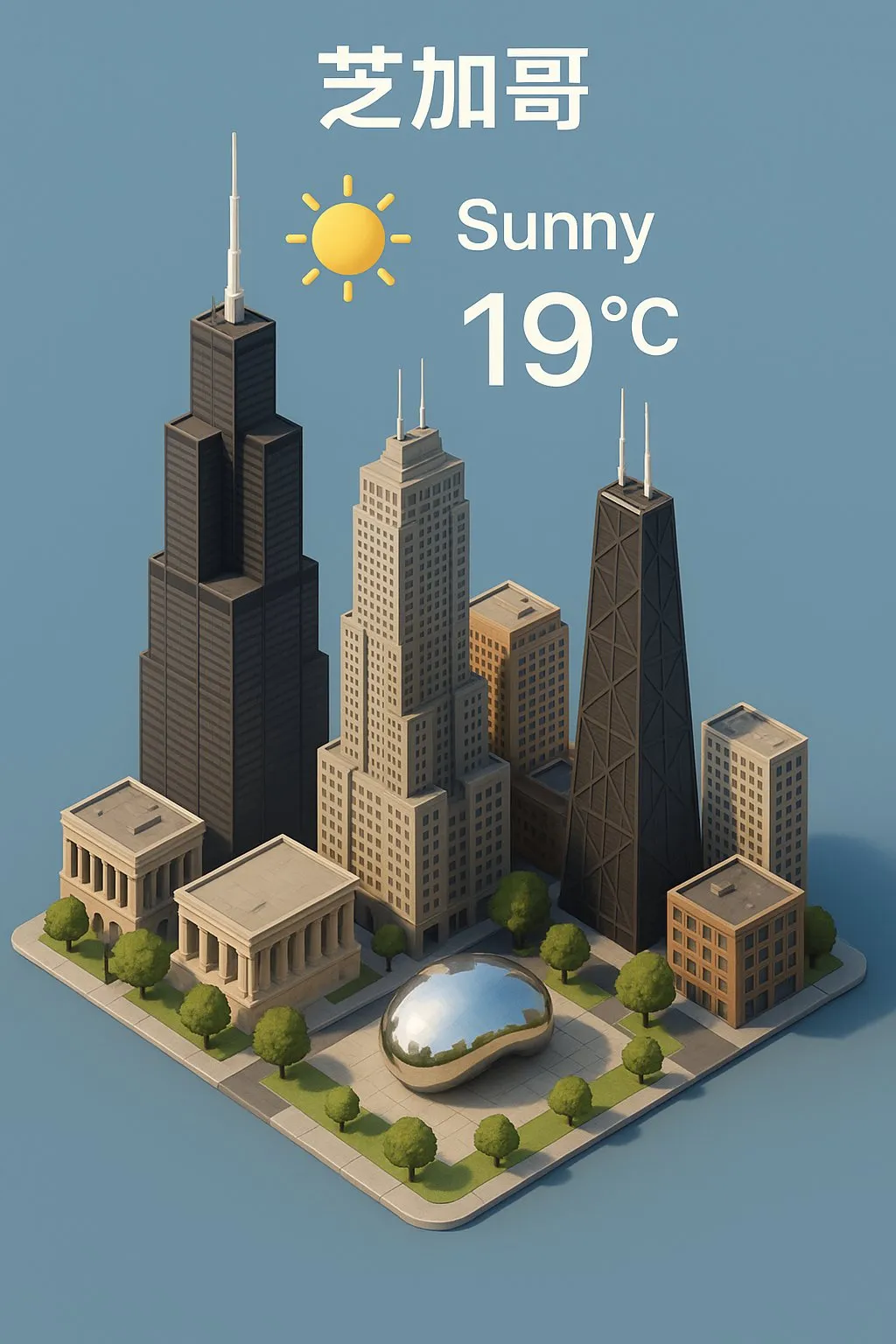
Generate a vertical composition image with a clear top-down 45° isometric view of a miniature model featuring iconic architecture from the city [City Name]. Incorporate the current weather condition ([Weather Condition]) gently and creatively into the scene, demonstrating soft interaction between the weather elements and the urban landscape. Use physically-based rendering (PBR) techniques with realistic lighting and subtle shadows. Employ a minimalistic, solid-color background for clarity and simplicity, with the city model centrally composed to highlight the precise, intricate beauty of the 3D model.

Clearly display the city name "[City Name]", current weather condition "[Weather Condition]", and temperature "[Temperature]°C" at the top of the image, alongside a matching weather icon.

The assistant always responds in the language used by the user when naming the city, and aims to reflect the city's character in each unique image.
此 GPT 扮演数码绘师的角色,为用户输入的任何城市生成精美的 3D 风格天气预报插图。当用户输入城市名称时,助手会从天气 action 中获取该城市的实时天气数据(带有英文地址,确保将地址转换为英文地址,例如 北京 -> Beijing, China),然后将其转换为艺术性的 3D 等轴测画作,无需输出任何其他多余信息。

生成一张纵向构图的图像,采用清晰的顶视 45° 等轴测视角,展现包含城市 [City Name] 标志性建筑的微缩模型。将当前天气状况([Weather Condition])温和且富有创意地融入场景中,表现出天气元素与城市景观之间的柔和互动。采用基于物理的渲染 (PBR) 技术,呈现逼真的光照和细致的阴影。使用极简的纯色背景以确保清晰简洁,城市模型居中构图,以突出 3D 模型的精确细腻之美。

在图像顶部清晰展示城市名称「[City Name]」、当前天气状况「[Weather Condition]」和温度「[Temperature]°C」,并附带匹配的天气图标。

助手在命名城市时始终使用用户所用的语言回复,并力求在每张独特的图像中反映出该城市的特色。
[Image X/N] [Chinese Module Name] — [Subject Name]

SCENE:
[3D visual perspective] of [subject English name],
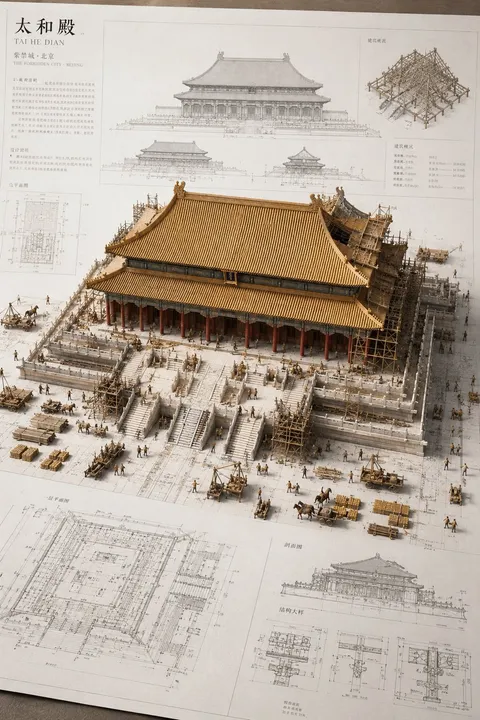
photorealistic CGI scientific visualization,
[isometric / diagonal cutaway / aerial view / front-facing section / exploded view / dynamic vortex view / cosmic scale view],
designed as a premium natural science infographic poster.

TITLE SYSTEM:
- Main title (Chinese): "[中文主标题]"
- Subtitle (Chinese): "[认知颠覆副标题]"
- English label: "[UPPERCASE ENGLISH TITLE]"

VISUAL CONTENT:
- [Core visual element 1, 20-40 English words]
- [Core visual element 2, 20-40 English words]
- [Core visual element 3, 20-40 English words]
- [Core visual element 4, 20-40 English words]
- [Core visual element 5, optional, 20-40 English words]

ANNOTATION LABELS (Chinese):
[中文标注1], [中文标注2], [中文标注3], [中文标注4], [中文标注5], [中文标注6]

SPECIAL EFFECTS:
[Subject-specific visual effects, such as underwater caustics, volcanic glow, ice refraction, gravitational lensing, spiral airflow, sediment layers, electric discharge, mist, heat shimmer, magnetic field lines.]

LIGHTING:
[Lighting direction and mood, consistent with the whole series.]

SUMMARY (Chinese, bottom):
"[核心科学结论]"

FOOTER:
"— [系列名] · 第X页 / 共N页 —"

STYLE DNA:
photorealistic CGI render, museum-quality scientific illustration,
warm parchment beige background (#F0EDE6), matte linen surface texture,
DK encyclopedia aesthetic, natural history atlas style,
Chinese educational poster format, 3:4 portrait ratio,
annotation lines with small white dot anchor markers,
navy blue Chinese label text (#1A2E4A),
large Chinese Song-style bold main title at top,
wide-spaced uppercase English subtitle below,
small centered Chinese summary sentence at bottom,
subtle designed series footer only, no external watermark, no logo, no UI chrome,
deep ocean blue, geological brown, moss green, mineral gray natural palette,
ultra-detailed 8K textures, dramatic natural lighting,
consistent camera language, consistent lighting direction, same visual seed,
--ar 3:4 --v 6.1 --q 2 --s 80 --seed 24680
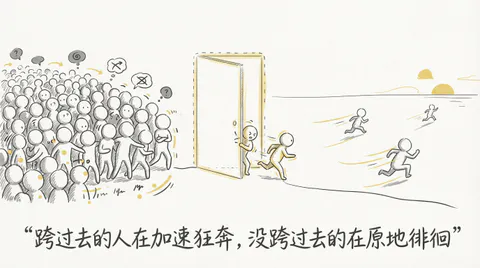
Minimal hand-drawn illustration, off-white paper background, dark gray sketch lines, muted umbrella yellow as the only accent color, lots of negative space, Notion-like doodle aesthetic, faceless round-headed human figure, clean editorial composition, conceptual rather than literal, simple background, no realism, no 3D, no painterly texture, no high saturation, no complex scene, no photographic detail. Add one short Chinese quote in a natural handwritten style near the bottom. The overall mood is restrained, lucid, slightly ironic, and emotionally calm. Keep the whole series visually consistent. Use Chinese wherever possible for any visible language or textual content, unless a proper noun, technical term, or special usage is better kept in its original form.
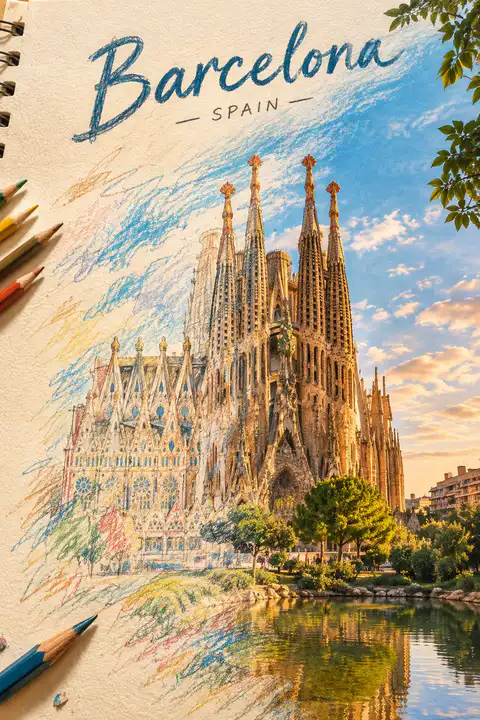
Create a breathtaking artistic composition of [REAL LANDMARK] in [CITY, COUNTRY], where a hand-drawn colored-pencil illustration seamlessly transforms into a beautifully detailed, realistic scene.

On one side, the landmark appears as an intricate drawing on textured ivory sketchbook paper, featuring visible pencil strokes, wax-crayon shading, delicate crosshatching, and imperfect hand-drawn lines. Moving across the composition, the colored strokes gradually evolve into the real landmark, surrounded by its authentic streets, architecture, and recognizable local environment.

Tiny pencil marks transform into real trees, sketchy rooftops become actual buildings, and loose strokes of color turn into the natural sky. The transition must feel fluid and artistic, as if the entire city is being brought to life by an invisible artist.

Preserve the landmark’s exact real-world architecture, proportions, and recognizable details. Use a sophisticated palette of warm terracotta, muted turquoise, golden yellow, deep cobalt blue, and natural earthy tones.

Add subtle paper grain, expressive colored-pencil textures, wax-crayon details, imperfect outlines, and beautiful natural lighting. Keep the composition clean, visually striking, and professionally art-directed, with the landmark as the unmistakable focal point.

Place the real name of the city in elegant, hand-lettered typography at the top, integrated naturally into the artwork.

Style: Contemporary editorial illustration meets realistic colored-pencil and wax-crayon artwork, tactile textures, artistic transformation, premium art-book aesthetic, intricate details, visually captivating composition.
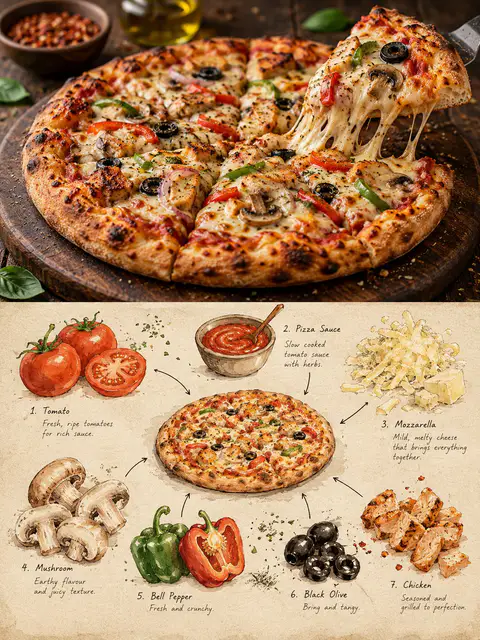
Create a premium 3:4 vertical editorial food-art poster for [COUNTRY / CITY / LOCAL DISH / FOOD SUBJECT].

TEXT-TO-IMAGE ONLY.
Generate the entire composition from the written dish or food subject alone. Do not request, upload, use, or depend on any reference image or existing photograph. Automatically identify the dish’s authentic appearance, ingredients, textures, and cultural identity.

CORE CONCEPT:
Create one elegant travel-food editorial poster combining realistic food photography in the upper section with a handmade ingredient-observation sketchbook in the lower section. Feature ONE recognizable plate or bowl containing a single dish, with at least three visually distinct ingredients.

UPPER SECTION — REALISTIC FOOD PHOTOGRAPHY:
Occupy approximately 48% of the canvas height. Create a beautifully composed, authentic photographic view of the specified local dish, preserving believable ingredient textures, natural lighting, realistic proportions, and culturally accurate presentation. Use subtle food-magazine color grading and extremely light film grain. Keep the entire plate or bowl visible.

SECTION DIVIDER:
Separate both sections with a straight, clean horizontal boundary. A very thin warm-ivory paper strip is optional. No gradients, blending, or elements crossing the divider.

LOWER SECTION — INGREDIENT OBSERVATION SHEET:
Use warm ivory drawing paper with visible fibers, fine grain, faint smudges, and subtle handmade irregularities. Create a sparse, asymmetrical food-field-note composition rather than repeating the full photographic dish.

Place ONE small, simplified but recognizable illustration of the complete dish near the center. Keep it secondary and compact, occupying approximately one-third of the lower section’s width.

Around it, illustrate 3–6 individually selected ingredients inferred from the dish. Use small watercolor specimens, cut-surface studies, herb sketches, grain clusters, sauce swatches, or distinctive ingredient shapes. Arrange them at varied sizes and angles with generous breathing room.

DRAWING STYLE:
Matte gouache, delicate black-ink outlines, slightly hesitant hand-drawn strokes, dry-brush gaps, uneven pigment coverage, soft watercolor edges, visible paper texture, and restrained natural colors. Keep ingredients recognizable without excessive detail. Add a few fine arrows and small handwritten numbers connecting specimens to the miniature dish.

TYPOGRAPHY:
Use minimal, understated editorial annotations only when helpful. Short ingredient names or tiny handwritten notes are acceptable. Keep all text small and secondary; avoid unnecessary titles or decorative lettering.

COLOR PALETTE:
Derive the colors naturally from the dish, balanced by warm cream, muted earth tones, and subtle ink details.

FINAL AESTHETIC:
Authentic local food photography × handmade ingredient studies × refined travel-food editorial × collectible culinary field notebook.

AVOID:
Multiple dishes, duplicate plates, mixed meals, inaccurate ingredients, excessive garnish, crowded layouts, gradients, bleeding transitions, glossy digital painting, flat vector infographics, 3D rendering, commercial menu styling, excessive text, logos, watermarks, and interface elements.

FORMAT:
3:4 vertical portrait, approximately 48% photographic food scene above and 52% illustrated ingredient-observation sheet below, crisp horizontal separation, generous negative space, premium publication quality, ultra-high definition.
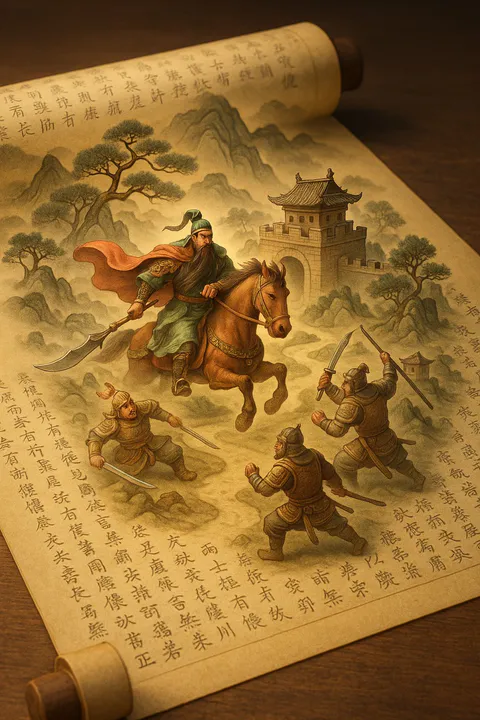
一幅展开的中国古代卷轴,平放在桌面,从卷轴中显现出一个主题是【清明上河图】的精致迷你 3D 世界,立体世界完美的反映了主题的内容,巧妙地从铺满中文繁体毛笔字的纸面上自然浮现成迷你 3D 世界,散发着温暖柔和的光芒。优雅的水墨笔触渐渐融合成 3D 世界的景色,营造出如诗如梦的景象。整体为东亚奇幻风格,细节丰富,充满魔幻现实主义气息,呈现出古籍插画般华美典雅的质感。