 4No prompt
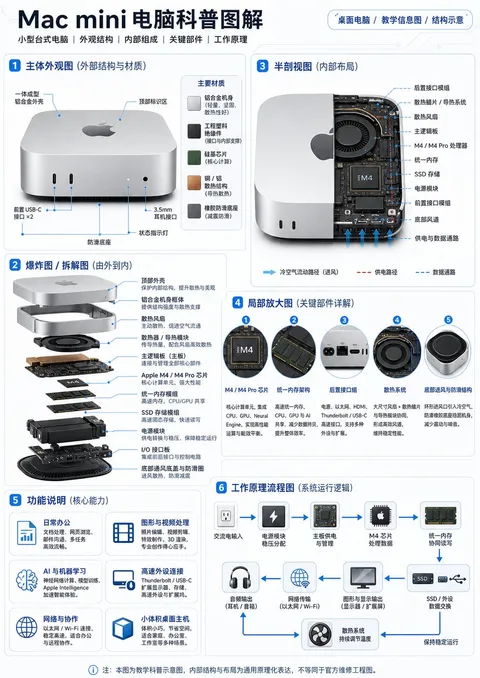
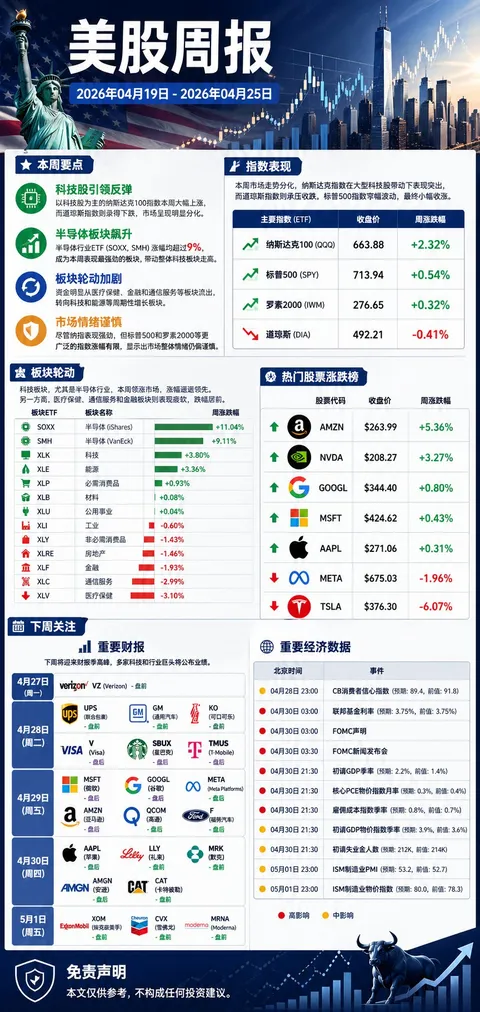
Educational Infographic Posters of Tech and History
@rionaifantasy♥ 491
Find a prompt from the picture and copy it. Every post keeps the author credit and the original link.
4No prompt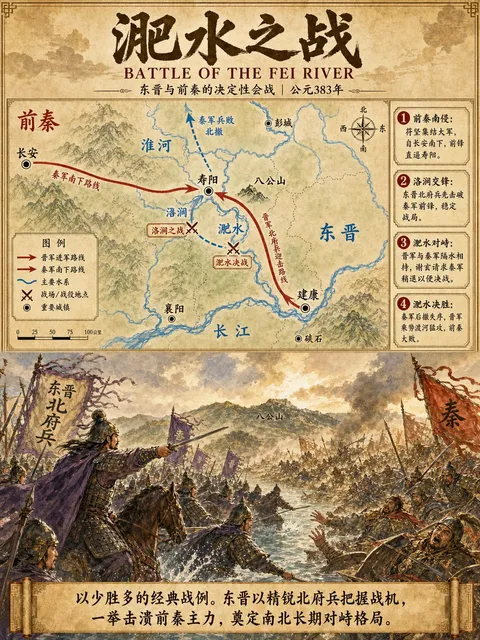 No prompt
 No prompt
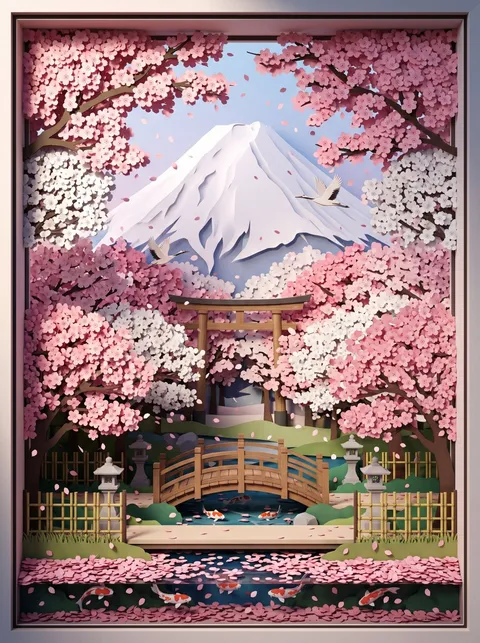 GPT Image 2
Eye-level straight-on view, looking directly into a hyper-vibrant 3D layered paper cut-out diorama. Sakura blush pink, snow white, deep indigo sky and pale celadon accents, extremely high saturation, PHYSICAL PAPER LAYERS clearly visible with hard cut edges and thick paper cross-sections at every depth plane. Maximalist composition, crowded Mount Fuji cherry blossom scene — Mount Fuji as a monumental white cone spanning all background depth planes, layered cherry blossom tree canopies receding toward the mountain in every mid-ground plane, every branch loaded with dense pink blossom clusters, traditional wooden torii gate threading between tree layers, a wooden bridge over koi pond in mid-ground layer, paper-cut falling petal storm frozen mid-air across all depth planes, cranes in flight between upper layers, stone lanterns and bamboo fence along pathway layers, deep carpet of fallen petals and koi fish reflections crowding the serene foreground. Soft single-direction studio lighting creating deep drop shadows between every physical paper layer, matte paper texture throughout, NO glow, NO soft edges, NO volumetric lighting, octane render, 8k, clean details --ar 3:4
 GPT Image 24
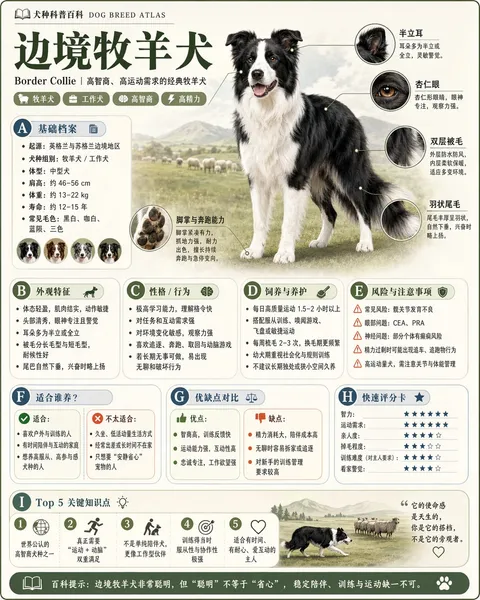
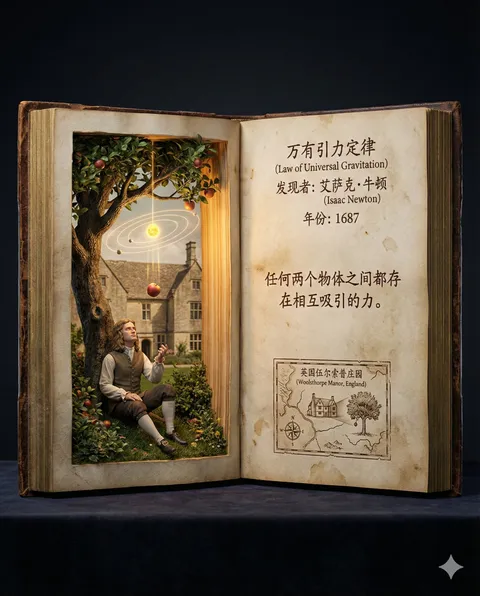
请根据【主题】生成一张高质量竖版「科普百科图」。 这张图不是普通海报,也不是单纯插画,而是一张兼具“图鉴感、百科感、信息结构感、收藏感”的模块化科普信息图。整体风格参考高级博物图鉴、现代百科书页、生活方式知识卡和社交媒体高传播信息图的结合。 请让画面包含: - 一个清晰漂亮的主题主视觉 - 若干局部特征放大细节 - 多个圆角模块化信息分区 - 清楚的标题层级与重点标签 - 简洁但丰富的百科内容 - 可视化评分、要点总结或Top 5模块 内容栏目请根据主题自动适配,优先从这些方向中选择并合理组合: 基础档案、分类信息、外观特征、习性/生态、形成机制/结构组成、生长或使用条件、养护或维护建议、风险与注意事项、适合人群或适用场景、优缺点对比、快速评分卡。 视觉要求: 浅色干净背景,柔和配色,轻阴影,精致小图标,圆角信息框,整洁排版,信息密度高但不拥挤,阅读体验好。整体必须像真正可以发布、阅读、收藏、系列化生产的科普百科卡,而不是广告图。 请不要做成普通商业宣传海报。要突出“知识整理 + 模块信息 + 图鉴式展示”的特征。
 GPT Image 24
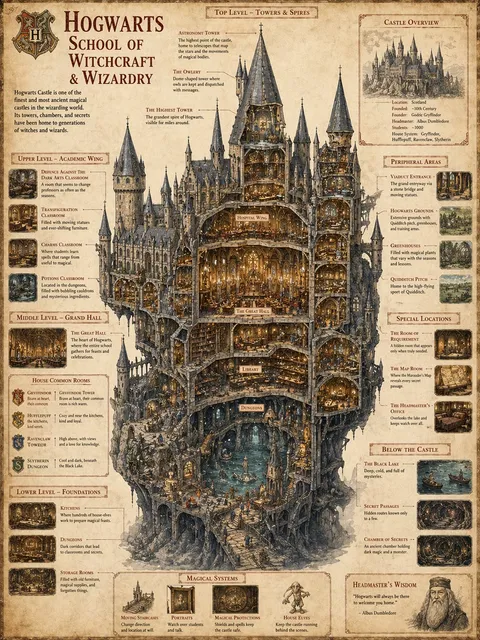
A breathtakingly intricate masterpiece conceptual infographic of an epic magic castle in a vertical cross-section view, strictly designed based on the following first-principle visual parameters. [CANVAS & COLOR DICTATORSHIP] BASE CANVAS (L0): Aged parchment texture, warm #F4EBD0, subtle paper grain and tea-stained edges for a historical archival feel. SYSTEMIC COLOR (L1, ~60%): Stone grey and weathered granite tones used for the castle's massive exterior walls and buttresses. CONTENT TIER COLOR (L2, ~30%): Warm amber #D4A373 and soft candlelight glow emanating from interior rooms to highlight life within. ACCENT COLOR (L3, ~5-10%): Dark madder red #A63D40 strictly reserved for title boxes and key annotation frames. [SPATIAL GRAVITY & TOPOLOGY] COMPOSITION: Centripetal vertical stack. A monolithic castle towers from a rocky base. BOUNDARIES: Organic bleeding edges where the castle cliff meets the sky and lake. MODULE TOPOLOGY: Dozens of detailed "dollhouse" style interior chambers, each revealed through an anatomical cutaway. CONNECTION SYNTAX: Ultra-fine 0.5pt leader lines connecting internal rooms to peripheral text blocks. [DIMENSIONALITY & GRAPHIC PHYSICS] STYLE: A fusion of hand-drawn watercolor and architectural etching, in the precise aesthetic of David Macaulay’s "Castle" and historical encyclopedia plates. LINE LANGUAGE: 0.2pt for internal textures / 0.8pt for main structural cut-planes / 1.5pt for the overall silhouette. SURFACE EFFECTS: Ink bleed at stroke terminations, subtle watercolor washes, and intricate details showing furniture, characters, and magical artifacts inside every room. [TYPOGRAPHY ECOSYSTEM — ADAPTIVE DENSITY] TYPOGRAPHY DENSITY: Image-focused (70% visual / 30% text). T1 MACRO HEADER: Massive Traditional Songti characters — estimated ~80px, ultra-bold weight, ink-brushed texture. Direction: VERTICAL. MUST be STRICTLY pure Chinese characters (Hanzi). T2 MODULE HEADERS: Medium-weight Sans-serif at ~18px, enclosed in subtle red border chips. T3 BODY TEXT: Medium-weight Heiti at ~12px, high-contrast, razor-sharp. Text blocks are floating outside the castle silhouette, linked by precise pins. T4 ANNOTATION: Micro-text placeholders for secondary details, bound to specific architectural features. [NARRATIVE FLOW] NARRATIVE MODE: Hierarchical down-drill. VISUAL ENTRY POINT: The tallest astronomy tower at the top. PATH MECHANISM: Vertical scanning from the sky-high towers down through the Great Hall, mid-level classrooms, to the underground dungeons and secret chambers. [ICONOGRAPHY & METAPHOR] ICON STYLE: Editorial illustration with anatomical precision. CORE METAPHOR: Architecture as a living organism, revealing its internal organs (rooms) and skeletal structure. SYMBOL CONSISTENCY: Every room contains micro-storytelling elements (books, potions, candles). [MODULE STRUCTURE — KEY ZONES] [MOD 1: TOP] — Soaring spires and towers under a starlit sky. [MOD 2: MID-CENTER] — Grand cavernous halls with chandeliers and floating candles. [MOD 3: PERIPHERY] — Dense clusters of classrooms and living quarters. [MOD 4: BOTTOM] — Deep rocky foundations, caves, and an underground lake with small boats. [FINAL EXECUTION LOCK] Render as a single unified composition. Maximum detail density. Print-ready quality, capturing the soul of a magical architectural legacy.
 GPT Image 23
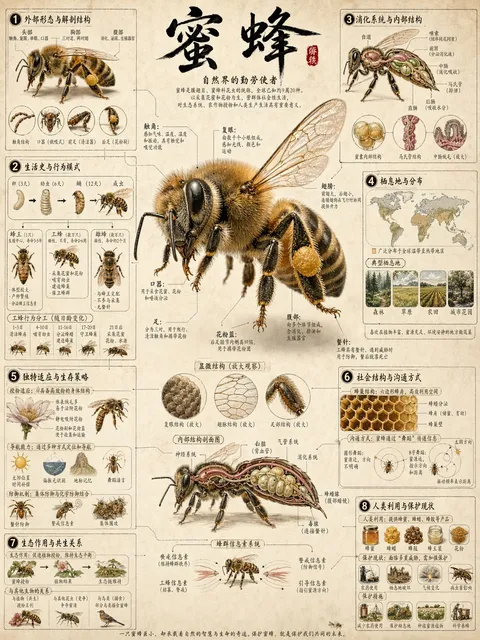
Role: World-class Scientific Encyclopedia Illustrator & Knowledge Graph Architect.
Task: Generate a highly detailed, extremely intricate, and visually stunning "Universal Illustrated Encyclopedia Science Infographic" in a classic, unbranded (NO logos) scientific encyclopedia style.
Subject Matter: Choose one from [People, Plants, or Animals].
Specific Subject: [e.g., The Giant Squid / Leonardo da Vinci / The Sequoia Tree].
Style: Fine, detailed scientific illustration on a retro, aged beige paper background. Delicate linework. Intricately complex and professional.
Key Visual Requirements:
1. Lifelike 3D Effect (The Central Subject): The central subject in the "C position" must be rendered with extraordinary realism and dynamism. Create a dramatic sense of depth where the character, plant, or animal appears to break the frame, leaping or bursting out of the flat paper towards the viewer (an effect similar to anamorphic 3D or dynamic pop-out, with high-precision realism).
2. Layout & Strategic White Space:
* Central Subject: Dominates the center, with intentional "strategic white space" around it to enhance the popping-out effect and make the figure the clear focal point.
* Surrounding Modules: The surrounding area (left, right, top, bottom, and corners) must be filled with 6-8 distinct, highly organized knowledge modules, depending on the subject. There should be a sense of organized density, not random clutter. The modules themselves must have clear borders, headers, and extensive, detailed content.
3. Connections: Use a complex, logical network of fine leader lines, arrows, brackets, dotted lines, and small connection points to link the central figure to all surrounding modules, and interconnect the modules themselves into a cohesive knowledge web.
4. Text & Annotation (Hard Requirement - Must be CLEAR Chinese):
* Main Title: A large, prominent, beautifully executed **Chinese calligraphy** (书法体) of the specific subject's name [e.g., "大王乌贼"].
* Calligraphic Accents: Scattered throughout the main content and module titles, use beautiful, clear Chinese calligraphy for important terms.
* Standard Chinese Text: All other descriptive text, handwritten notes (大量清晰中文手写注释), module content, and annotations must be clear, legible Chinese characters (简体中文), not gibberish or unreadable symbols. Ensure text clarity is prioritized.
* Leader Line Annotations: Every single small component, detail, submodule, diagram, or illustration within the modules must have detailed leader line annotations (拟解剖图) pointing directly to it for maximum professionalism and educational value. Every part should be labeled.
Subject-Specific Module Structure (Example for general reference):
A. For Humans [People]:
- Module 1: Anatomy & Skeletal Structure (w/ magnified cross-sections)
- Module 2: Physiological Processes (e.g., Circulatory/Nervous System)
- Module 3: Historical Context & Timeline (Key Achievements)
- Module 4: Major Contribution Diagram (Detailed breakdown)
- Module 5: Cognitive Process / Psychological Insight
- Module 6: Genetic Profile / Evolution
- Module 7: Global Influence & Cultural Impact
- Module 8: Cultural Representations / Legacy
B. For Animals:
- Module 1: Full External Sketch & Anatomy (w/ microscope magnified detail circular windows)
- Module 2: Behavioral Patterns & Lifecycle (e.g., Mating/Migration, Flowchart style)
- Module 3: Digestive & Skeletal System
- Module 4: Habitats & Distribution Map (with environmental details)
- Module 5: Unique Adaptations (e.g., camouflage, hunting tools)
- Module 6: Evolutionary History & Relatives
- Module 7: Symbiotic Relationships / Ecosystem Role
- Module 8: Conservation Status & Human Interaction
C. For Plants:
- Module 1: Full Plant Sketch & Anatomy (w/ magnified leaf/root details)
- Module 2: Photosynthesis & Lifecycle Flow (w/ icons for environment)
- Module 3: Cellular Structure (Magnified circular views)
- Module 4: Medicinal Properties / Practical Applications (as in original original prompt)
- Module 5: Environmental Adaptations / Unique Features
- Module 6: Distribution Map & Environmental Context
- Module 7: Genetic Variations & Cultivation
- Module 8: Historical Usage & Folklore
Overall Composition: Extremely dense with information, organized into 6-8 structured modules, but balanced with strategic empty space around the center to allow the main, hyper-realistic figure to pop. Hard-core, professional, academic, but visually engaging due to the dynamic 3D central figure. No branding from any specific encyclopedia (e.g., no "DK" logos). All annotations must be legible. All handwritten notes must be clear. Main titles in Chinese calligraphy. Aspect Ratio: 3:4. 3No prompt
 通用 / 未注明
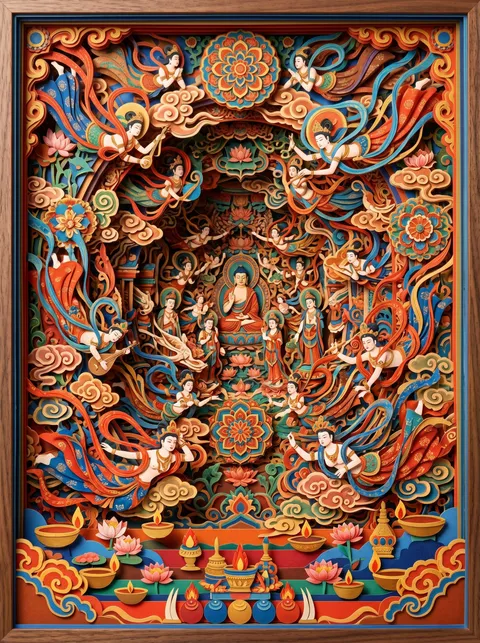
Eye-level straight-on view, 3D layered paper cut-out diorama. Vermillion red, lapis lazuli blue, ochre gold. Flying apsaras with ribbon silk scarves, blooming lotus, swirling auspicious clouds, ornate medallion patterns. Deep drop shadows, matte paper texture, octane render, 8k --ar 3:4
 2No prompt
 通用 / 未注明4
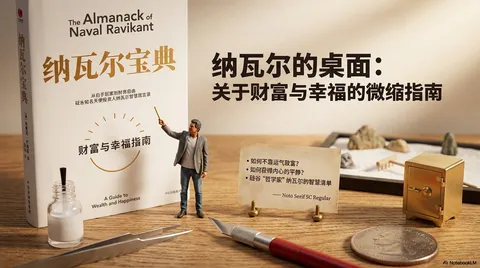
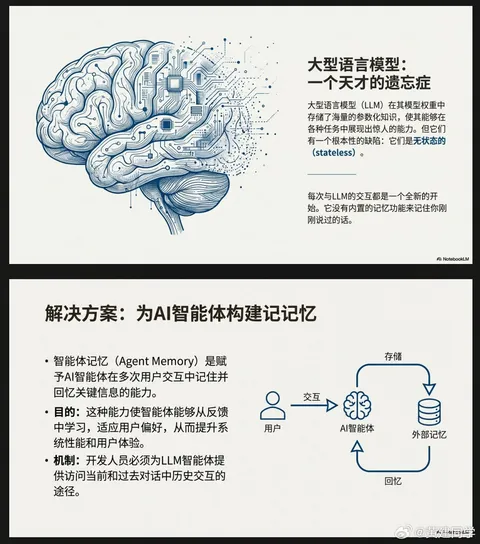
请你扮演一名 PPT 结构设计师 + 微缩模型场景(Diorama)分镜导演,帮我把【原始资料】整理成一份 微缩模型/迷你场景主题 的中文演示文稿。 一、基础设定(可自定义) 主题:【填写本次演讲主题】 原始资料类型:【论文/书籍章节/课程笔记/产品介绍/视频字幕/访谈记录】 目标观众:【完全小白/职场新人/大学生/投资者/程序员】 讲解口吻:【像朋友聊天/像公开课老师/偏严肃/偏幽默】 预计页数:【10–15】页左右 视觉世界观(必须遵守): 所有画面都发生在“桌面上的微缩模型世界”里(diorama / miniature set) 人物是 微缩人偶/小人模型(比例感强,比如 1:24 / 1:35 / 1:87) 场景、建筑、道具都像 手工模型:有材质、切割边缘、旧化、微小瑕疵、手作痕迹 画面呈现为 “摄影棚拍微缩场景”:可见浅景深、微距感、柔光、真实阴影 禁止:卡通扁平插画风、乐高、真实人物写真、纯3D游戏感
 No prompt
 4No prompt
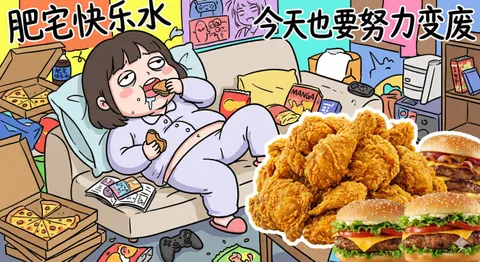 通用 / 未注明4
互联网沙雕风格插画,[主题/主角/动作]。极简主义的涂鸦线条,Q版人物,表情夸张且滑稽(死鱼眼、流口水、神情呆滞)。 画面中包含[填物品],要求这些[填物品]呈现出违和的写实摄影质感,与卡通人物形成混合媒介的拼贴艺术效果。色彩明快,带有幽默感和嘲讽意味。背景是[填场景]。
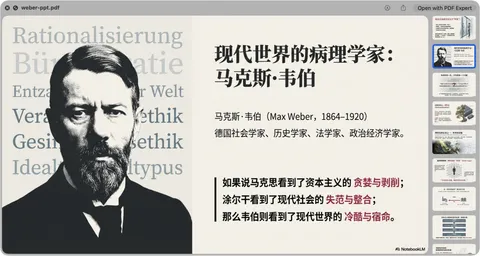 4No prompt
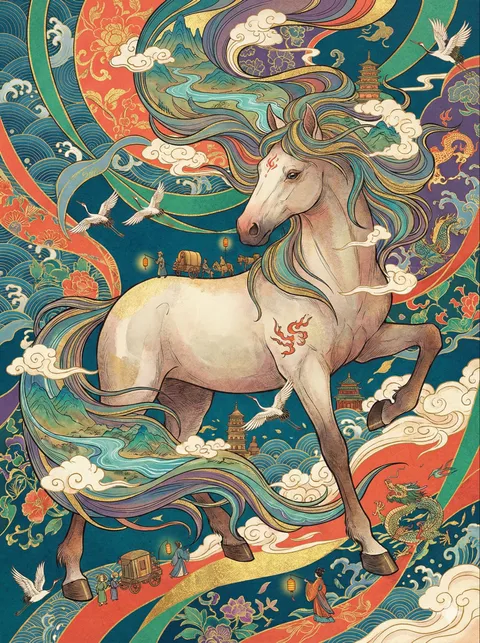 通用 / 未注明4
生成一幅 Victo Ngai(倪传婧)风格的大师级商业插画,核心描绘**【在此填入主体与动作】,画面完美融合了中国工笔线条、不透明水彩与丝网版画质感。构图采用超现实的 S 型曲线透视与戏剧性的大小对比,周围环绕着【在此填入环境/细节】**。背景填充着密集的风格化图案(如浪花、祥云或丝带),色彩采用高对比复古色调(如孔雀蓝、珊瑚红配金箔),边缘锐利清晰,呈现出精致的东方奇幻梦境氛围。3:4
 No prompt
 4No prompt
 4No prompt
 No prompt
 No prompt
 4No prompt
 通用 / 未注明
目标受众:{受众,例如:公司高管 / 技术团队 / 产品经理 / 普通用户}
演示目的:{目的,例如:技术分享 / 项目汇报 / 产品介绍 / 教学使用}
整体篇幅:{页数,例如:10 页以内 / 15~20 页}
风格要求:{风格}
视觉效果:{视觉效果}
风格:
1. 专业,内容呈现以准确、逻辑、严谨为主,强调框架化表达(适合企业汇报、战略沟通、技术述职)
2. 简洁,尽量减少装饰性内容,保留一级标题/二级标题,无其他内容,结构干净利落(适合快速阅读、高管场景)
3. 具象比喻,通过贴近生活的例子、比喻、类比,让复杂内容变得容易理解(适合面向小朋友、非专业受众群体)
4. 故事化,内容以叙事链条组织,用“背景—冲突—解决—结果”模型推动 (适合产品发布、经验分享)
5. 数据驱动,强调数据、指标、趋势、对比分析,以数据结论作为核心逻辑(适合商业分析、调研报告)
6. 教学,结构更加循序渐进,以解释概念、举例说明、对比差异、步骤演示为主(适合教学、培训类)
7. 激励,采用鼓舞语气和积极愿景,强调“为什么重要”“我们要做什么” (适合团队动员、年度启动会、愿景介绍)
8. 产品展示,突出场景镜头、用户价值、功能亮点、体验流程,强调“好处和使用方式”(适用于新品发布、方案宣讲)
9. 思维导图,以概念之间的关联为主线,用层次化结构展开知识网络(适合复杂主题)
视觉效果:
1. 极简留白,以大量留白、弱化装饰、突出内容主体为核心,整体视觉干净现代(适合专业场景、高管简报)
2. 强调色块,通过大色块和模块化布局强化层级关系,使重点更醒目(适合方案展示、运营复盘)
3. 卡片式布局,以卡片、分区、分栏组织内容,让阅读更轻松清晰(适合内容较多、结构化信息)
4. 图标驱动,以统一风格的图标、符号表达概念,降低文字密度、增强可读性(适合流程讲解、结构说明)
5. 插画或手绘感,采用柔和插画或轻松手绘笔触,增强亲和力与友好度(适合科普、教学、文化主题)
6. 科技质感,以线条、渐变、光效构建轻科技氛围,视觉更现代(适合 AI、数据、互联网主题)
7. 深色主题,以暗色背景配亮色文字形成强对比,强调稳重与冲击力(适合正式场景、数据展示)
8. 信息可视化,以图表、趋势图、结构图作为主视觉,减少大段文字(适合分析汇报、研究报告)
9. 分镜叙事,以类似电影分镜的结构呈现画面连续性,使内容更具故事流动感(适合产品发布、战略叙述)
10. 品牌一致,严格遵循品牌色、字体体系与风格规范,整体一致性强(适合外部宣讲、品牌官方材料) 3No prompt