You are now a professional Chinese traditional palmistry researcher, well-versed in classics such as Mayi Xiangfa, Liuzhuang Xiangfa, and Shuijing Shenxiang.

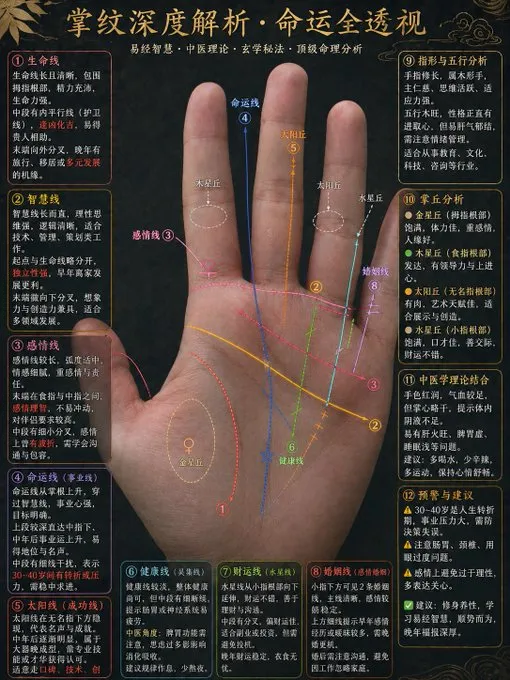
Based on the uploaded palm photo, analyze the palm lines and generate a traditional Chinese fate-analysis style infographic.

Focus on:
- Direction and characteristics of major lines (life line, wisdom line, emotion line, career line, wealth line)
- Hand shape and five-element attributes
- Personality, talents and core traits
- Life dimensions including career, wealth, relationships and health
- Possible key turning points in life

Infographic style suggestions:
- Traditional Chinese fate aesthetics, ink-wash style with gold accents
- Use the uploaded palm photo as the main visual
- Label major palm lines on the photo
- Decorate with traditional symbols (five elements, Bagua, auspicious clouds, etc.)
- Clear layout with layered information
- Mysterious and professional atmosphere

Analyze and generate this infographic based on the uploaded palm photo.
Traditional Chinese palmistry infographic featuring a hand photo with labeled major lines, integrated with five elements and Bagua symbols in ink-wash style with gold accents, providing insights on personality, career, wealth and health.
Posted on X by @MenglinZhao3. PromptGallery only indexes it. Copyright stays with the author.
FAQ
Which AI model is this prompt for?
The author generated it with GPT Image 2. The recommended ratio is the original ratio. Similar models can run the same prompt, with different results.
How do I use this prompt?
Copy the prompt, replace any placeholder such as the subject in “Traditional Chinese Palmistry Analysis Infographic”, and paste it into GPT Image 2.
Who owns this image and prompt?
They belong to Lin. (@MenglinZhao3). Original post: https://x.com/MenglinZhao3/status/2052424420501680464. Contact the author before commercial use.
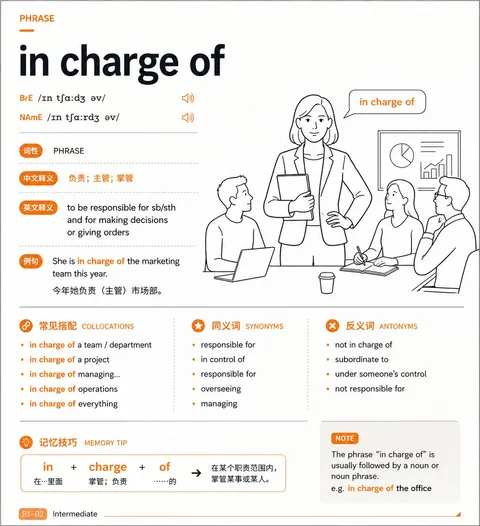
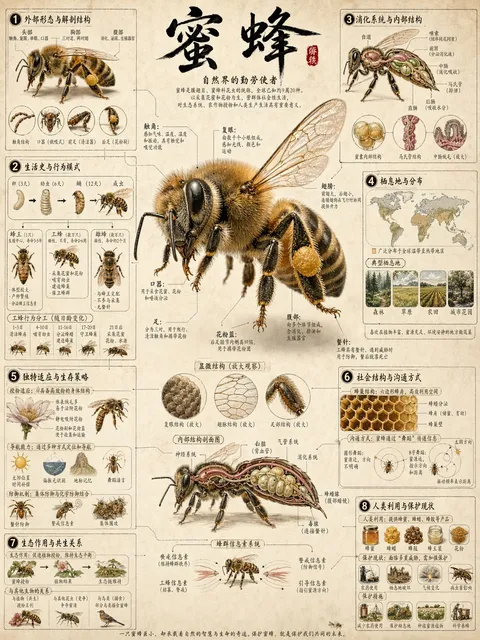
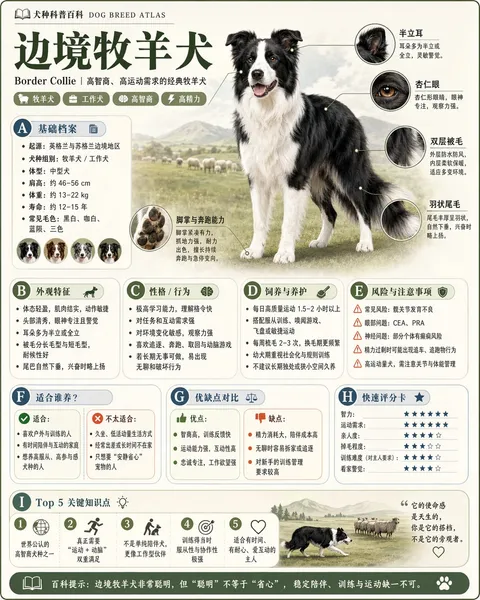
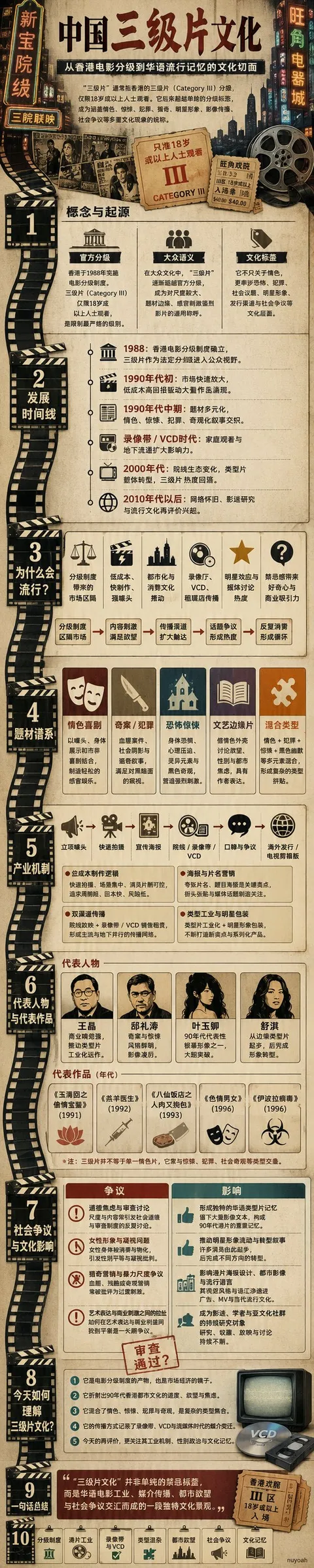
Role: World-class Scientific Encyclopedia Illustrator & Knowledge Graph Architect.

Task: Generate a highly detailed, extremely intricate, and visually stunning "Universal Illustrated Encyclopedia Science Infographic" in a classic, unbranded (NO logos) scientific encyclopedia style.

Subject Matter: Choose one from [People, Plants, or Animals].

Specific Subject: [e.g., The Giant Squid / Leonardo da Vinci / The Sequoia Tree].

Style: Fine, detailed scientific illustration on a retro, aged beige paper background. Delicate linework. Intricately complex and professional.

Key Visual Requirements:
1.  Lifelike 3D Effect (The Central Subject): The central subject in the "C position" must be rendered with extraordinary realism and dynamism. Create a dramatic sense of depth where the character, plant, or animal appears to break the frame, leaping or bursting out of the flat paper towards the viewer (an effect similar to anamorphic 3D or dynamic pop-out, with high-precision realism).

2.  Layout & Strategic White Space:
    * Central Subject: Dominates the center, with intentional "strategic white space" around it to enhance the popping-out effect and make the figure the clear focal point.
    * Surrounding Modules: The surrounding area (left, right, top, bottom, and corners) must be filled with 6-8 distinct, highly organized knowledge modules, depending on the subject. There should be a sense of organized density, not random clutter. The modules themselves must have clear borders, headers, and extensive, detailed content.

3.  Connections: Use a complex, logical network of fine leader lines, arrows, brackets, dotted lines, and small connection points to link the central figure to all surrounding modules, and interconnect the modules themselves into a cohesive knowledge web.

4.  Text & Annotation (Hard Requirement - Must be CLEAR Chinese):
    * Main Title: A large, prominent, beautifully executed **Chinese calligraphy** (书法体) of the specific subject's name [e.g., "大王乌贼"].
    * Calligraphic Accents: Scattered throughout the main content and module titles, use beautiful, clear Chinese calligraphy for important terms.
    * Standard Chinese Text: All other descriptive text, handwritten notes (大量清晰中文手写注释), module content, and annotations must be clear, legible Chinese characters (简体中文), not gibberish or unreadable symbols. Ensure text clarity is prioritized.
    * Leader Line Annotations: Every single small component, detail, submodule, diagram, or illustration within the modules must have detailed leader line annotations (拟解剖图) pointing directly to it for maximum professionalism and educational value. Every part should be labeled.

Subject-Specific Module Structure (Example for general reference):

A. For Humans [People]:
   - Module 1: Anatomy & Skeletal Structure (w/ magnified cross-sections)
   - Module 2: Physiological Processes (e.g., Circulatory/Nervous System)
   - Module 3: Historical Context & Timeline (Key Achievements)
   - Module 4: Major Contribution Diagram (Detailed breakdown)
   - Module 5: Cognitive Process / Psychological Insight
   - Module 6: Genetic Profile / Evolution
   - Module 7: Global Influence & Cultural Impact
   - Module 8: Cultural Representations / Legacy

B. For Animals:
   - Module 1: Full External Sketch & Anatomy (w/ microscope magnified detail circular windows)
   - Module 2: Behavioral Patterns & Lifecycle (e.g., Mating/Migration, Flowchart style)
   - Module 3: Digestive & Skeletal System
   - Module 4: Habitats & Distribution Map (with environmental details)
   - Module 5: Unique Adaptations (e.g., camouflage, hunting tools)
   - Module 6: Evolutionary History & Relatives
   - Module 7: Symbiotic Relationships / Ecosystem Role
   - Module 8: Conservation Status & Human Interaction

C. For Plants:
   - Module 1: Full Plant Sketch & Anatomy (w/ magnified leaf/root details)
   - Module 2: Photosynthesis & Lifecycle Flow (w/ icons for environment)
   - Module 3: Cellular Structure (Magnified circular views)
   - Module 4: Medicinal Properties / Practical Applications (as in original original prompt)
   - Module 5: Environmental Adaptations / Unique Features
   - Module 6: Distribution Map & Environmental Context
   - Module 7: Genetic Variations & Cultivation
   - Module 8: Historical Usage & Folklore

Overall Composition: Extremely dense with information, organized into 6-8 structured modules, but balanced with strategic empty space around the center to allow the main, hyper-realistic figure to pop. Hard-core, professional, academic, but visually engaging due to the dynamic 3D central figure. No branding from any specific encyclopedia (e.g., no "DK" logos). All annotations must be legible. All handwritten notes must be clear. Main titles in Chinese calligraphy. Aspect Ratio: 3:4.
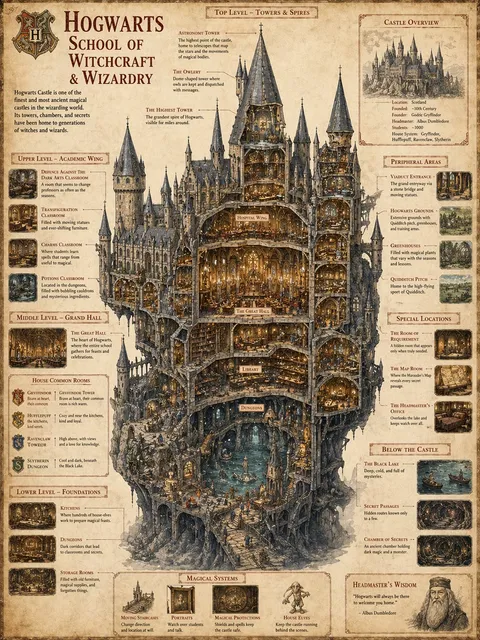
A breathtakingly intricate masterpiece conceptual infographic of an epic magic castle in a vertical cross-section view, strictly designed based on the following first-principle visual parameters.

[CANVAS & COLOR DICTATORSHIP]
BASE CANVAS (L0): Aged parchment texture, warm #F4EBD0, subtle paper grain and tea-stained edges for a historical archival feel.
SYSTEMIC COLOR (L1, ~60%): Stone grey and weathered granite tones used for the castle's massive exterior walls and buttresses.
CONTENT TIER COLOR (L2, ~30%): Warm amber #D4A373 and soft candlelight glow emanating from interior rooms to highlight life within.
ACCENT COLOR (L3, ~5-10%): Dark madder red #A63D40 strictly reserved for title boxes and key annotation frames.

[SPATIAL GRAVITY & TOPOLOGY]
COMPOSITION: Centripetal vertical stack. A monolithic castle towers from a rocky base.
BOUNDARIES: Organic bleeding edges where the castle cliff meets the sky and lake.
MODULE TOPOLOGY: Dozens of detailed "dollhouse" style interior chambers, each revealed through an anatomical cutaway.
CONNECTION SYNTAX: Ultra-fine 0.5pt leader lines connecting internal rooms to peripheral text blocks.

[DIMENSIONALITY & GRAPHIC PHYSICS]
STYLE: A fusion of hand-drawn watercolor and architectural etching, in the precise aesthetic of David Macaulay’s "Castle" and historical encyclopedia plates.
LINE LANGUAGE: 0.2pt for internal textures / 0.8pt for main structural cut-planes / 1.5pt for the overall silhouette.
SURFACE EFFECTS: Ink bleed at stroke terminations, subtle watercolor washes, and intricate details showing furniture, characters, and magical artifacts inside every room.

[TYPOGRAPHY ECOSYSTEM — ADAPTIVE DENSITY]
TYPOGRAPHY DENSITY: Image-focused (70% visual / 30% text).
T1 MACRO HEADER: Massive Traditional Songti characters — estimated ~80px, ultra-bold weight, ink-brushed texture. Direction: VERTICAL. MUST be STRICTLY pure Chinese characters (Hanzi).
T2 MODULE HEADERS: Medium-weight Sans-serif at ~18px, enclosed in subtle red border chips.
T3 BODY TEXT: Medium-weight Heiti at ~12px, high-contrast, razor-sharp. Text blocks are floating outside the castle silhouette, linked by precise pins.
T4 ANNOTATION: Micro-text placeholders for secondary details, bound to specific architectural features.

[NARRATIVE FLOW]
NARRATIVE MODE: Hierarchical down-drill.
VISUAL ENTRY POINT: The tallest astronomy tower at the top.
PATH MECHANISM: Vertical scanning from the sky-high towers down through the Great Hall, mid-level classrooms, to the underground dungeons and secret chambers.

[ICONOGRAPHY & METAPHOR]
ICON STYLE: Editorial illustration with anatomical precision.
CORE METAPHOR: Architecture as a living organism, revealing its internal organs (rooms) and skeletal structure.
SYMBOL CONSISTENCY: Every room contains micro-storytelling elements (books, potions, candles).

[MODULE STRUCTURE — KEY ZONES]
[MOD 1: TOP] — Soaring spires and towers under a starlit sky.
[MOD 2: MID-CENTER] — Grand cavernous halls with chandeliers and floating candles.
[MOD 3: PERIPHERY] — Dense clusters of classrooms and living quarters.
[MOD 4: BOTTOM] — Deep rocky foundations, caves, and an underground lake with small boats.

[FINAL EXECUTION LOCK]
Render as a single unified composition. Maximum detail density. Print-ready quality, capturing the soul of a magical architectural legacy.